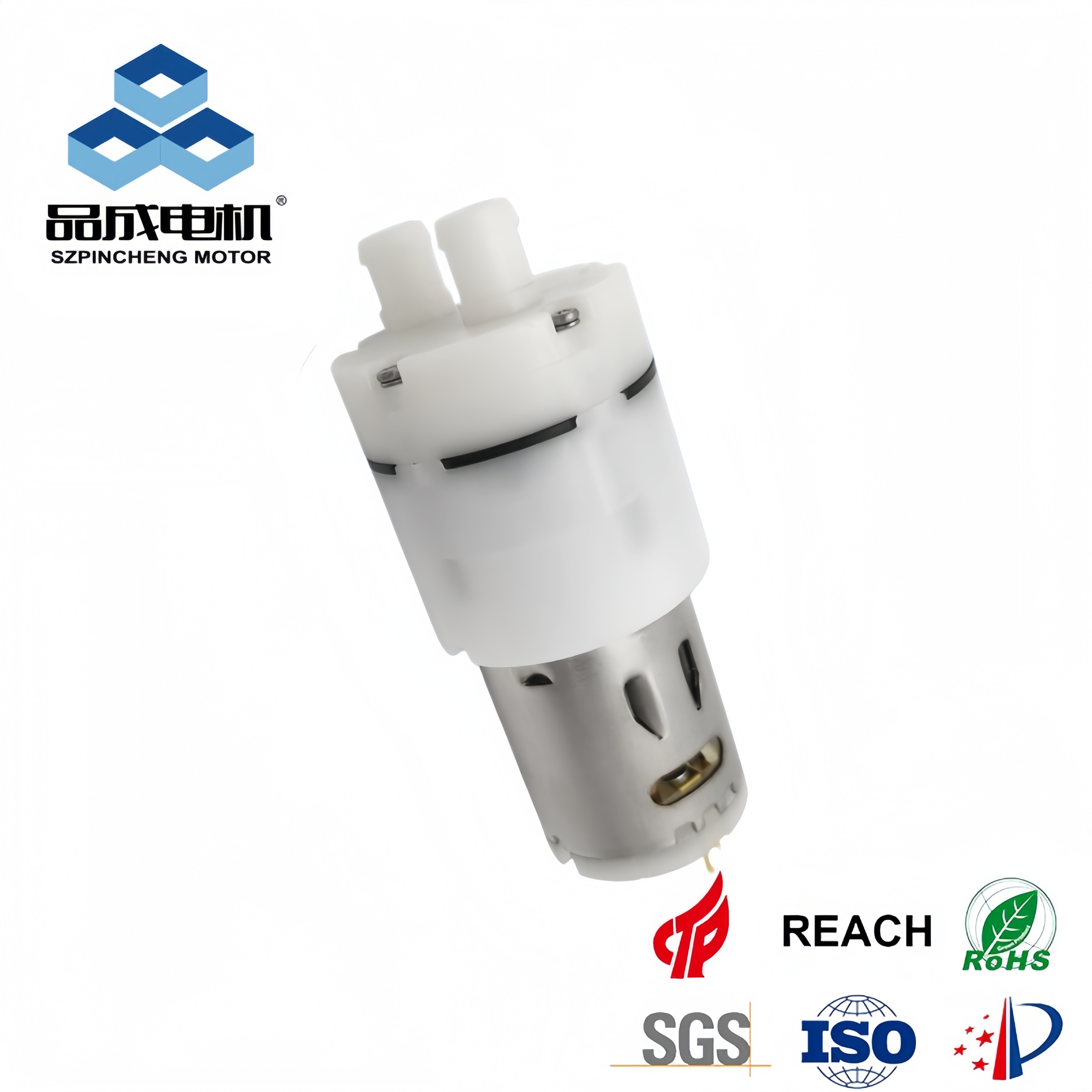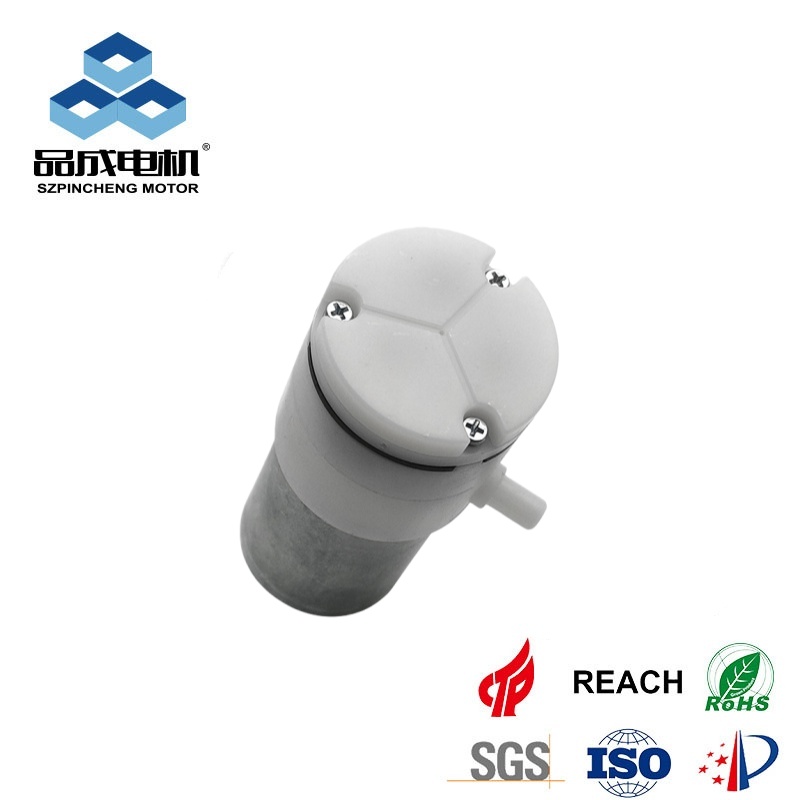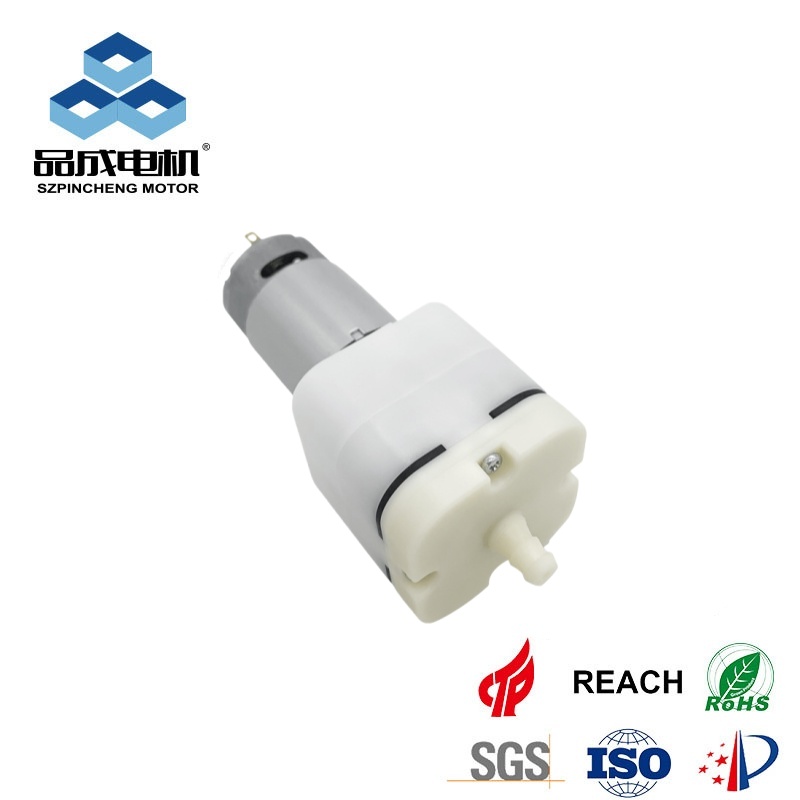

Micro Piston Air Pump | High Pressure Mini Vacuum Pump OEM Manufacturer
Micro piston air pumps generate airflow and vacuum using a crank-driven piston mechanism. They are used in industrial, medical, and pneumatic applications.Pinmotor pumps offer up to -80 kPa vacuum and 5–15 LPM flow for OEM integration.
Micro Piston Air Pump for Industrial Vacuum Systems
Used in industrial vacuum systems, OEM pneumatic equipment, and medical suction devices requiring stable airflow and compact design.
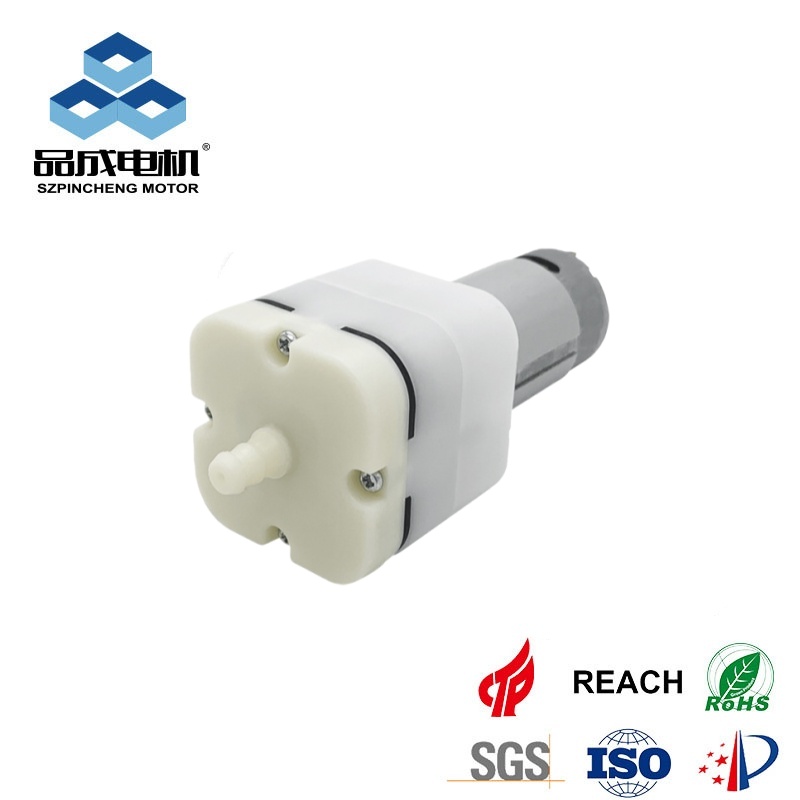
Flow: 6–15 LPM
Power: 5.2W
Industrial control systems, automation modules, small pneumatic devices.
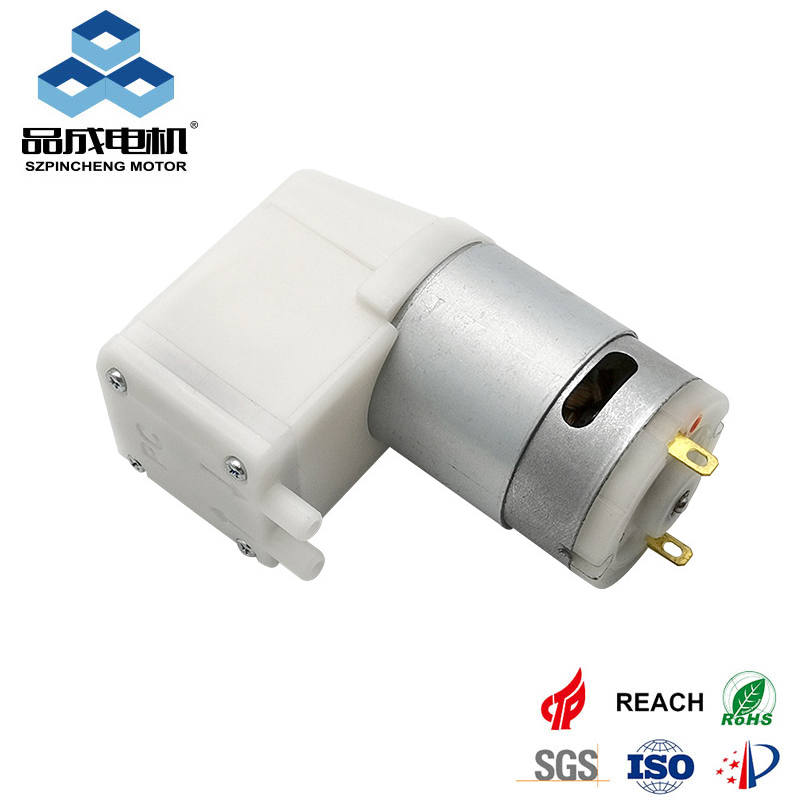
Vacuum: -70 kPa
Flow: 5–7 LPM
Power: 6W
Portable medical devices, analyzers, small vacuum systems.
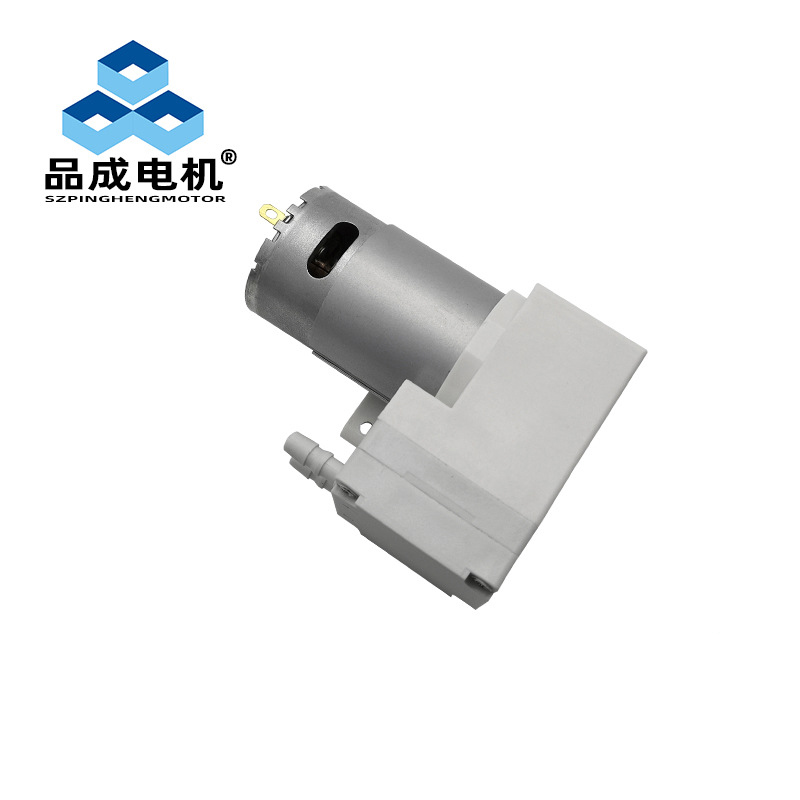
Vacuum: -80 kPa
Flow: 7–9 LPM
Power: 8.4W
Vacuum packaging, medical suction, industrial automation.
Performance Note: Flow, pressure, vacuum, noise and power data may vary with voltage, load, tubing resistance and test conditions. Please contact Pinmotor for model-specific test conditions and performance data.
Need a micro piston air pump for your project?
Get technical support for model selection, performance matching, and OEM integration based on your application requirements. Our engineering team can recommend the most suitable solution within 24 hours.
How to Choose a Micro Piston Pump
Choosing a micro piston pump starts with the actual operating point of the system. Flow, pressure or vacuum, duty cycle, voltage and installation space should be considered together rather than comparing only the maximum pump specification.
For OEM projects, provide the required flow at your target pressure or vacuum whenever possible. Tubing, filters, valves and other components can add resistance and change the pump performance after installation.
| What to Confirm | Why It Matters |
|---|---|
| Required flow | Determines how quickly air must be moved through the system |
| Working pressure | Helps match the pump to the actual pneumatic load |
| Target vacuum | Important for suction, evacuation and sampling applications |
| Duty cycle | Continuous and intermittent operation place different loads on the motor and pump |
| Voltage | Must match the equipment power supply |
| Installation space | Affects pump size, port direction and mounting |
| Noise & vibration | Important for portable, medical and indoor equipment |
| Working environment | Temperature, humidity and gas conditions affect material selection |
How Micro Piston Pumps Generate Higher Pressure and Reliable Durability
Micro piston air pumps operate through a crankshaft-driven reciprocating mechanism that converts motor rotation into linear piston movement. Inside the cylinder chamber, air is drawn in through an inlet valve during the intake stroke and compressed during the return stroke before being discharged through the outlet valve.
This mechanical compression structure enables stable airflow generation and higher pressure performance compared with flexible diaphragm-based pumps, especially in applications requiring continuous or semi-continuous operation.
Thermal Management and Operational Stability
During compression cycles, heat is generated within the cylinder due to air compression and mechanical friction. To ensure stable operation, micro piston pumps use metal-based housing structures that improve thermal conductivity and heat dissipation.
This helps maintain:
● Stable internal operating temperature
● Reduced thermal deformation of components
● Consistent airflow performance during long operation cycles
In industrial system design, thermal stability directly contributes to long-term reliability and pump lifespan.
Engineering Value vs Diaphragm Pumps
Compared with diaphragm pump technology, micro piston pumps are more suitable for applications requiring:
● Higher pressure stability under load
● Better performance consistency
● More compact high-efficiency output systems
Diaphragm pumps may be preferred for ultra-low noise or low-pressure consumer applications, while piston pumps are generally selected for industrial-grade vacuum and pressure systems.
Pressure Generation Mechanism
The pressure output of a micro piston pump is determined by the effective cylinder volume change and sealing efficiency during each stroke.
Unlike diaphragm systems that rely on membrane deformation, piston pumps use rigid chamber compression, which provides:
● More consistent pressure build-up
● Better performance under back pressure conditions
● Higher efficiency in compact designs
In optimized micro piston structures, stable vacuum levels up to -70 to -80 kPa can be achieved depending on model configuration.
Continuous Operation and Service Life
Durability is achieved through precision mechanical design, including:
● Wear-resistant piston ring materials
● Precision-machined cylinder surfaces
● Controlled lubrication system design
● Balanced crankshaft motion structure
Under normal operating conditions, micro piston pumps are designed for industrial continuous-duty operation, typically exceeding 10,000–20,000 hours depending on load conditions and usage environment.
Brushless DC motor configurations further improve operational stability and reduce long-term maintenance requirements.
Understanding Flow, Pressure and Vacuum
Flow Rate
Free flow shows the pump output with little or no system resistance, but it does not represent every operating condition. As tubing, filters, valves or other restrictions are added, the available flow may change. For OEM selection, the required flow should therefore be considered together with the actual pressure or vacuum condition.
Pressure
Maximum pressure is a limit value, not necessarily the normal working point. A micro piston pump should be selected according to the pressure required during normal operation, expected airflow at that pressure and the duration of each operating cycle.
Vacuum
For vacuum applications, confirm both the target vacuum and the evacuation requirement. Chamber volume, tubing length, leakage and system resistance can affect how quickly the required vacuum is reached.
Construction & Material Options for Reliability
Cylinder & Piston Structural Materials
The cylinder and piston assembly is the core motion system of the pump. Material selection determines wear resistance, thermal stability, and mechanical efficiency.
Aluminum alloy (anodized finish)
● Common standard configuration offering good thermal conductivity and lightweight structure. Suitable for general-purpose air pumping applications.
Stainless steel (304 / 316)
● Used in environments requiring higher corrosion resistance. Suitable for humid conditions, chemical exposure, or regulated industries.
Engineering polymer (PPS)
● Provides chemical resistance and dimensional stability. Typically used in specialized applications requiring lightweight and corrosion-resistant structures.
Seal and Piston Ring Materials
Sealing materials directly influence pressure stability, leakage control, and long-term wear behavior.
NBR (Nitrile Rubber)
● Standard sealing material with good oil resistance and mechanical durability. Suitable for general air and light-duty applications.
FKM (Viton)
● High-performance elastomer with excellent chemical and temperature resistance. Used in more demanding operating environments.
PTFE (Filled Polytetrafluoroethylene)
● Low-friction and chemically inert material designed for dry-running or oil-free systems requiring reduced wear.
PU (Polyurethane)
● High elasticity and wear resistance, suitable for high-frequency operation and dynamic load conditions.
Oil-Free Configuration Options
For applications requiring a cleaner air path, selected micro piston pump configurations can use self-lubricating or low-friction components without lubricating oil in the compression chamber.
Oil-free configuration should be confirmed together with pressure, duty cycle, temperature and expected service life. Material options depend on the selected pump structure and project requirements.
Motor Configuration Options
Motor selection affects efficiency, noise level, and operational lifetime of the pump system.
Brushed DC motor
● Cost-effective solution with simple speed control. Suitable for standard applications with limited duty cycle requirements.
Brushless DC motor (BLDC)
● High efficiency, longer service life, and lower maintenance requirements. Preferred for continuous operation and precision control systems.
AC motor configurations
● Used in fixed industrial installations requiring stable power supply and high reliability under continuous load conditions.
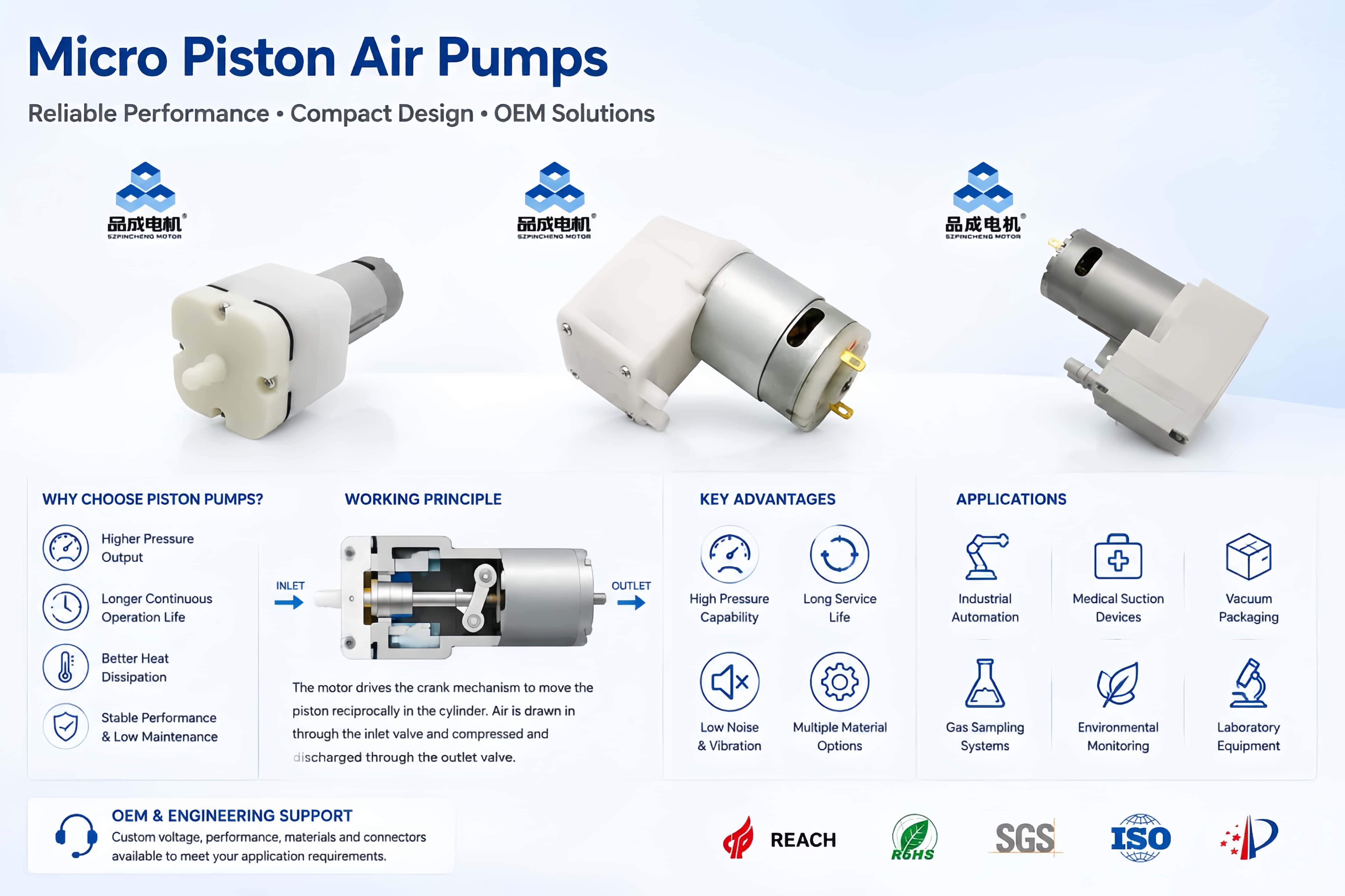
Micro piston pumps are composed of multiple precision mechanical components that directly affect service life, stability, and performance consistency. Material selection is therefore critical in ensuring long-term reliability under different operating environments such as continuous duty, temperature variation, and exposure to moisture or reactive gases.
To support different OEM requirements, multiple material configurations are available depending on application conditions.
Engineering Selection Guidance
Material and motor configuration should be selected based on:
● Operating environment (humidity, temperature, chemical exposure)
● Duty cycle (intermittent or continuous operation)
● System pressure stability requirements
● Expected service life and maintenance strategy
For OEM integration projects, material selection is typically validated through application testing and system-level evaluation.
Need help selecting the right material configuration for your application?
Get engineering recommendations based on operating environment, duty cycle, and system requirements.
Industry Applications & Engineering Use Cases
Micro piston pumps are widely used in industrial systems that require stable airflow, vacuum generation, and compact pneumatic integration. Due to their high pressure stability and reliable mechanical structure, they are suitable for both continuous and intermittent duty applications across multiple industries.
Automotive & Transportation Systems
Micro piston pumps are used in vehicle-related pneumatic subsystems where compact size and stable pressure output are required.
Typical applications include:
● Vehicle air control modules
● Pneumatic adjustment systems
● Small onboard air supply units
● Thermal management support systems
Recommended configurations:
● High vacuum model for suction-demanding systems
● Compact low-noise model for cabin integration
● High-flow model for auxiliary pneumatic functions
Engineering advantages:
● Stable operation under vibration conditions
● Suitable for wide temperature environments
● Compact integration for limited installation space
Industrial Automation & Equipment Systems
In industrial environments, micro piston pumps are commonly integrated into automation equipment requiring continuous or semi-continuous airflow support.
Typical applications include:
● Pneumatic grippers and actuators
● Packaging machinery
● Pressure testing systems
● Small automation modules
● Assembly line equipment
Engineering characteristics:
● Stable output under variable load conditions
● Suitable for long duty-cycle operation
● Low maintenance mechanical design
● Consistent airflow control performance
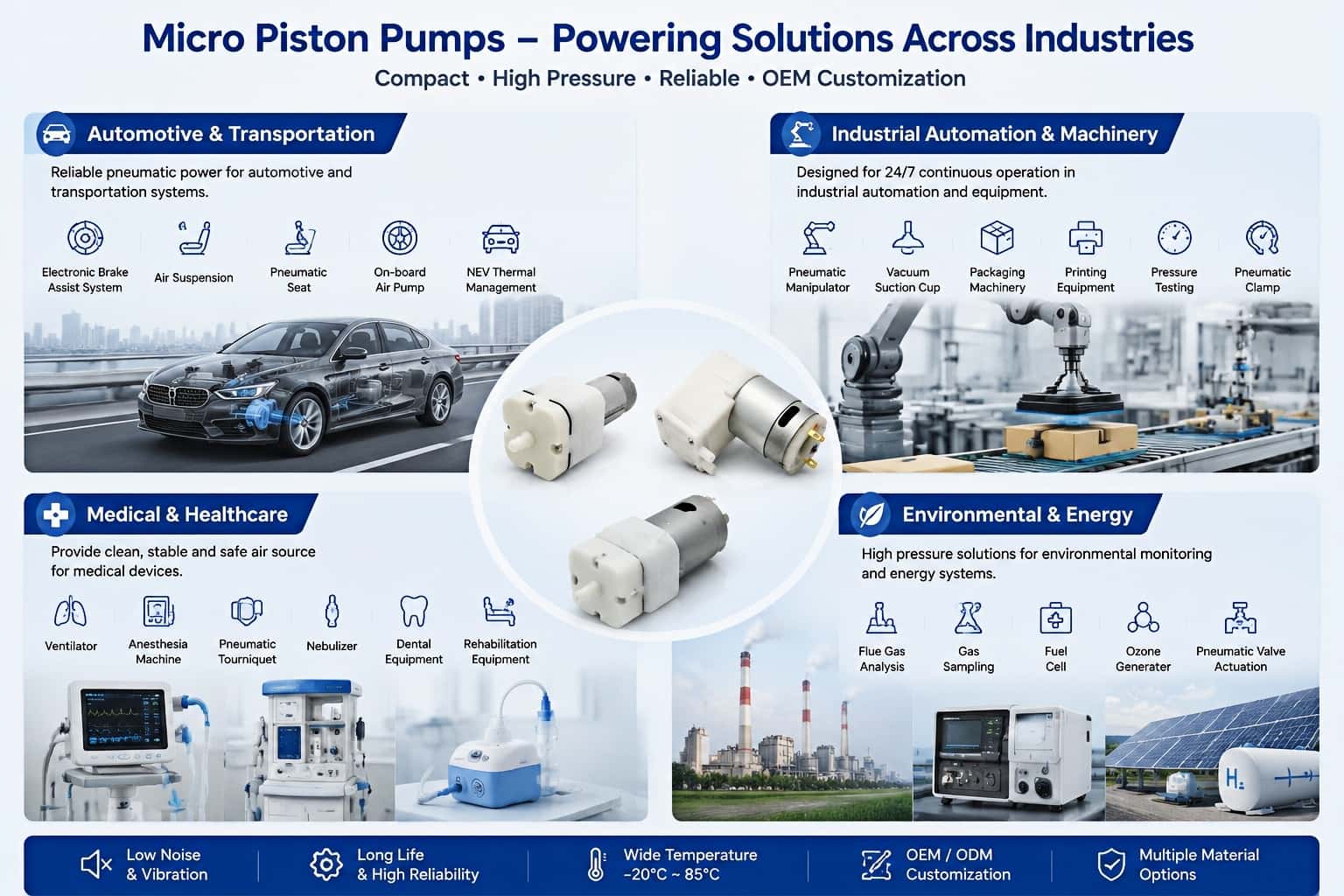
Medical & Healthcare Equipment
Micro piston pumps are also used in compact medical devices requiring controlled airflow or vacuum generation.
Typical applications include:
● Portable suction devices
● Diagnostic instruments
● Therapy and rehabilitation equipment
● Dental auxiliary equipment
● Small medical air control systems
Engineering advantages:
● Stable airflow control
● Compact structure for device integration
● Low vibration design options
● Suitable for controlled medical environments
Environmental & Analytical Systems
Micro piston pumps are suitable for gas handling and environmental monitoring systems that require stable sampling and controlled airflow.
Typical applications include:
● Gas sampling systems
● Air quality monitoring devices
● Laboratory analytical equipment
● Environmental detection instruments
● Small fluid or gas transfer modules
Engineering characteristics:
● Stable pressure during sampling cycles
● Reliable operation in continuous monitoring systems
● Compatible with compact analytical instruments
Need a micro piston pump solution for your application?
Get engineering support for system matching, integration planning, and OEM configuration based on your industry requirements.
Customization & OEM Value-Added Engineering Services
Micro piston pumps are widely used in OEM systems where standard specifications cannot fully meet application requirements. To support system integration, customization is available across mechanical, electrical, and performance parameters based on real application conditions.
The goal of customization is not only to modify the pump, but to ensure stable integration into the end equipment system.
Performance Customization (Airflow & Pressure Optimization)
Pump performance can be adjusted to match different system working points, depending on load condition and duty cycle.
Available optimization options include:
● Adjustment of vacuum/pressure balance within standard model range
● Flow rate tuning based on system resistance conditions
● Motor speed optimization for stable operating curves
● Duty cycle matching for intermittent or continuous operation
These adjustments ensure stable performance in different OEM environments such as medical devices, automation systems, and portable pneumatic equipment.
Mechanical Customization (Structure Integration Design)
Mechanical design customization helps ensure the pump can be directly integrated into compact equipment systems.
Options include:
● Air inlet/outlet interface customization (barb, threaded, or quick-connect types)
● Mounting structure adaptation for different installation layouts
● Direction adjustment of inlet/outlet ports for space optimization
● Compact housing modification for embedded system design
● Vibration reduction structure optimization for noise-sensitive applications
These modifications are commonly required in portable devices and space-constrained industrial equipment.
Electrical & System Integration Support
To simplify OEM system design, electrical interface customization can be provided according to system architecture.
Supported options include:
● Customized wire length and connector types (JST, Molex, terminal wires, etc.)
● Voltage configuration options (6V / 12V / 24V DC)
● PWM speed control compatibility for external control systems
● Basic signal feedback options for system monitoring (optional design-dependent integration)
This helps reduce control complexity on the customer side and improves system integration efficiency.
Reliability Testing & Quality Validation
For OEM applications requiring higher reliability, additional testing support can be provided during production.
Testing options include:
● Full performance verification before shipment
● Continuous operation endurance testing (application-based)
● Temperature and humidity environmental testing
● Vibration testing for transportation and mobile equipment
These validation processes help ensure stable operation in long-term industrial use conditions.
OEM Project Requirements & Engineering Support
Customization is typically applied in two stages:
● Modified standard models: low-to-medium engineering adjustment projects
● Full OEM development: new structure or system integration design
Project requirements depend on technical complexity and application conditions.
Engineering support is available during:
● Early-stage concept evaluation
● Prototype testing phase
● Mass production integration stage
Need a customized micro piston pump for your system?
Share your application requirements, and our engineering team will evaluate performance, structure, and integration feasibility for your OEM project.
Micro Piston Pump Installation & System Integration
Pump performance can change after integration into the final equipment. Tubing resistance, mounting, ventilation and electrical control should therefore be reviewed during prototype testing.
Tubing and Airflow Resistance
Keep the air path appropriate for the required flow. Long tubing, small internal diameters, filters and restrictive fittings can increase resistance and reduce the available flow at the working point.
Mounting and Vibration
Secure the pump on a stable mounting surface. For noise-sensitive equipment, suitable vibration-isolation components can be evaluated according to the installation structure.
Heat Dissipation
Leave sufficient ventilation around the motor and pump body, especially in applications with longer operating cycles or higher loads. Final temperature rise should be checked inside the actual equipment enclosure.
Electrical Integration
Confirm supply voltage, startup current and motor control requirements before integration. Brushless configurations may support speed-control or signal functions depending on the selected motor and controller.
FAQs About Micro Piston Pumps
Piston pump vs diaphragm pump — which should I choose?
If your application requires higher pressure stability or continuous operation under load, a micro piston pump is generally more suitable. Diaphragm pumps are often preferred for low noise or lower pressure systems where airflow demand is limited.
Both technologies are used in different system designs rather than direct replacements.
Do piston pumps require lubrication?
Most micro piston pumps use internal lubrication or wear-resistant materials to ensure sealing and motion stability. Depending on the configuration, oil-free options using self-lubricating materials may also be available for applications requiring cleaner air output.
The selection depends on system cleanliness requirements and expected duty cycle.
What pressure can a micro piston pump generate?
Typical micro piston pumps are designed for low to medium pressure pneumatic systems. The exact performance depends on model design, system resistance, and operating conditions.
For applications requiring higher pressure levels, system-level customization or multi-stage solutions may be considered based on engineering evaluation.
Can piston pumps be used for vacuum applications?
Yes. Micro piston pumps can be configured for vacuum generation in compact systems. Vacuum performance depends on sealing design, motor speed, and system structure.
Compared with diaphragm vacuum pumps, piston-based systems are often selected for applications requiring stronger mechanical stability under load.
How noisy are piston pumps?
Micro piston pumps generate mechanical and airflow-related noise during operation. Noise levels vary depending on installation structure, mounting method, and system damping design.
In engineering applications, vibration isolation and housing design are commonly used to reduce system noise.
What maintenance do piston pumps require?
Micro piston pumps are generally designed for long service life with minimal maintenance. In typical applications, periodic inspection of wear components is recommended based on operating hours and working environment.
Maintenance frequency depends on duty cycle and system conditions.
What certifications are available?
Product compliance depends on configuration and target market requirements. Standard industrial versions are designed to meet common international safety and material compliance requirements.
For specific certification needs, validation can be supported during project development.
Do you provide samples for testing?
Yes. Standard models can be provided for evaluation and system testing. For customized designs, sample development is available after technical requirements are confirmed.
Sample policies may vary depending on project complexity.
How do I size a micro piston pump for my application?
Start with the required flow, working pressure or target vacuum, voltage and duty cycle. Then consider system resistance from tubing, valves, filters and other components. For OEM projects, testing the pump at the actual operating point is more useful than selecting only by maximum flow or pressure.
Does maximum flow remain the same at higher pressure?
No. Pump flow changes as system resistance and pressure increase. Free-flow data should therefore be used as a reference rather than the only selection value. For accurate model selection, provide the required flow together with the working pressure or vacuum.
Can a micro piston pump run continuously?
Continuous operation depends on the pump structure, motor, working load, ambient temperature and heat dissipation. If your equipment requires long operating cycles, provide the expected ON/OFF time or continuous running duration so the configuration can be evaluated under the intended load.
What information should I provide for OEM pump selection?
Provide the application, required flow, pressure or vacuum, voltage, duty cycle, operating temperature, installation space and estimated annual quantity. If noise, vibration, material or control requirements apply, include them during the initial evaluation.
Need help selecting the right micro piston pump?
Our engineering team can help evaluate your application and recommend the most suitable configuration for performance and integration.