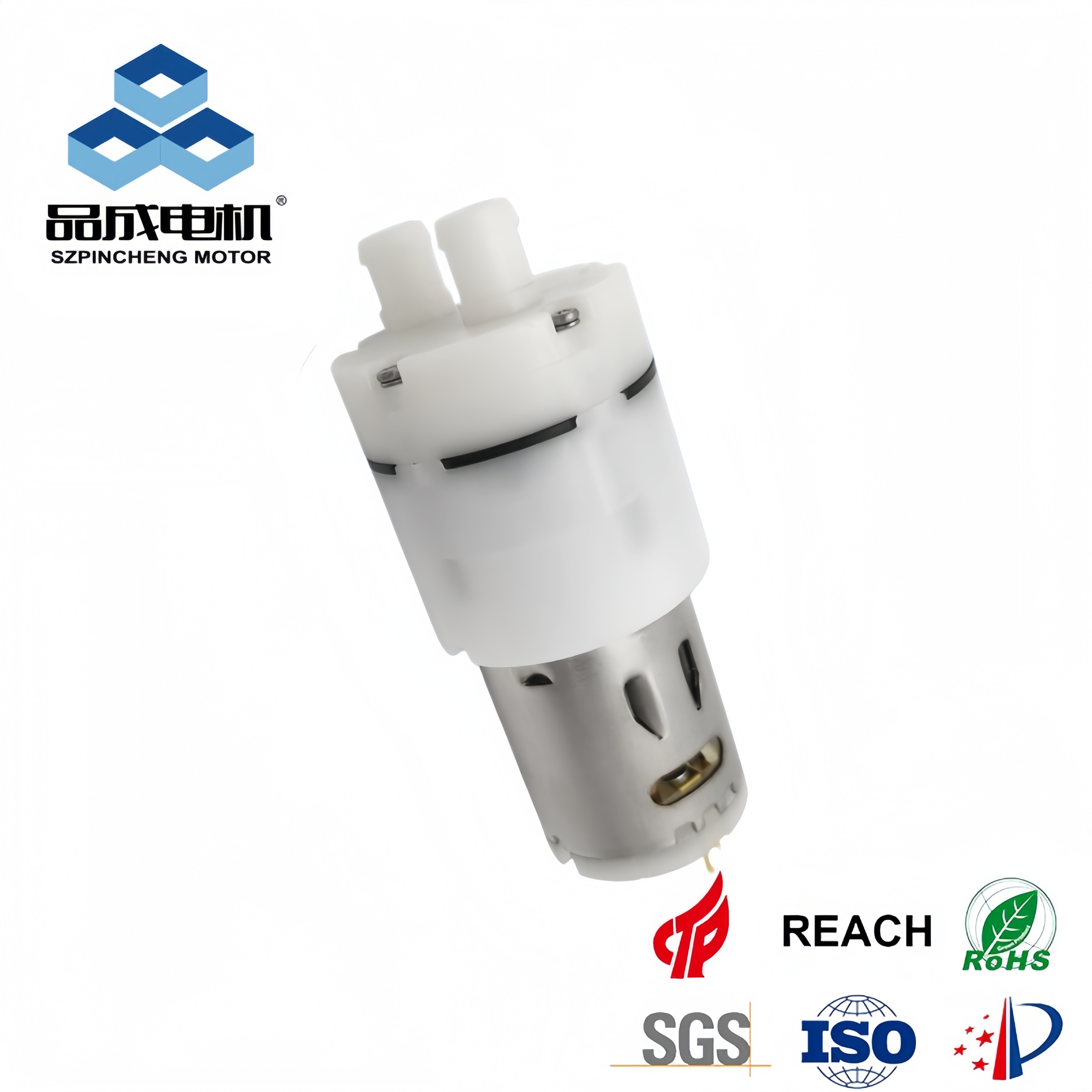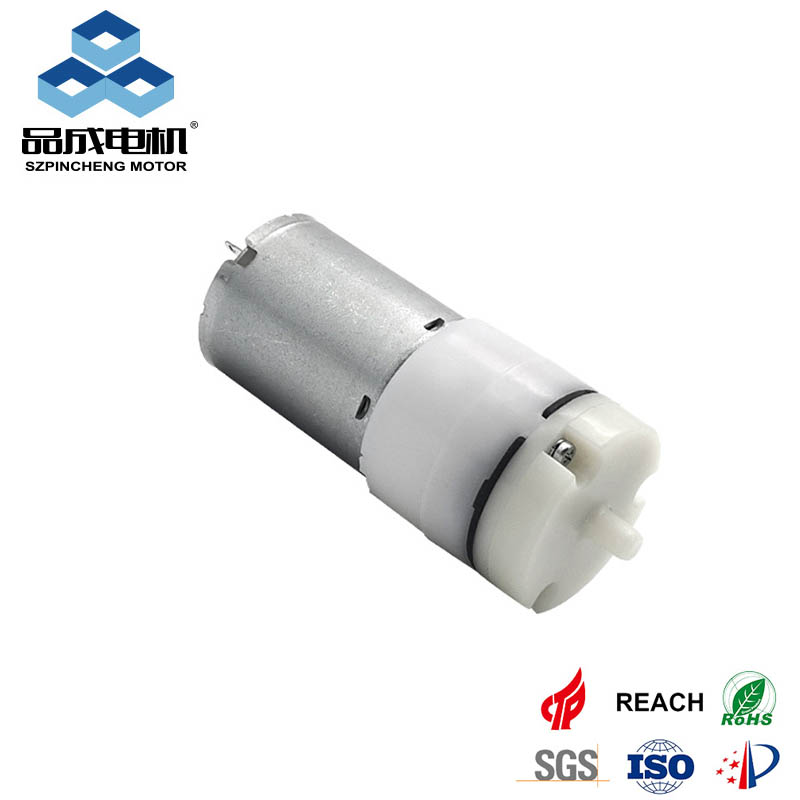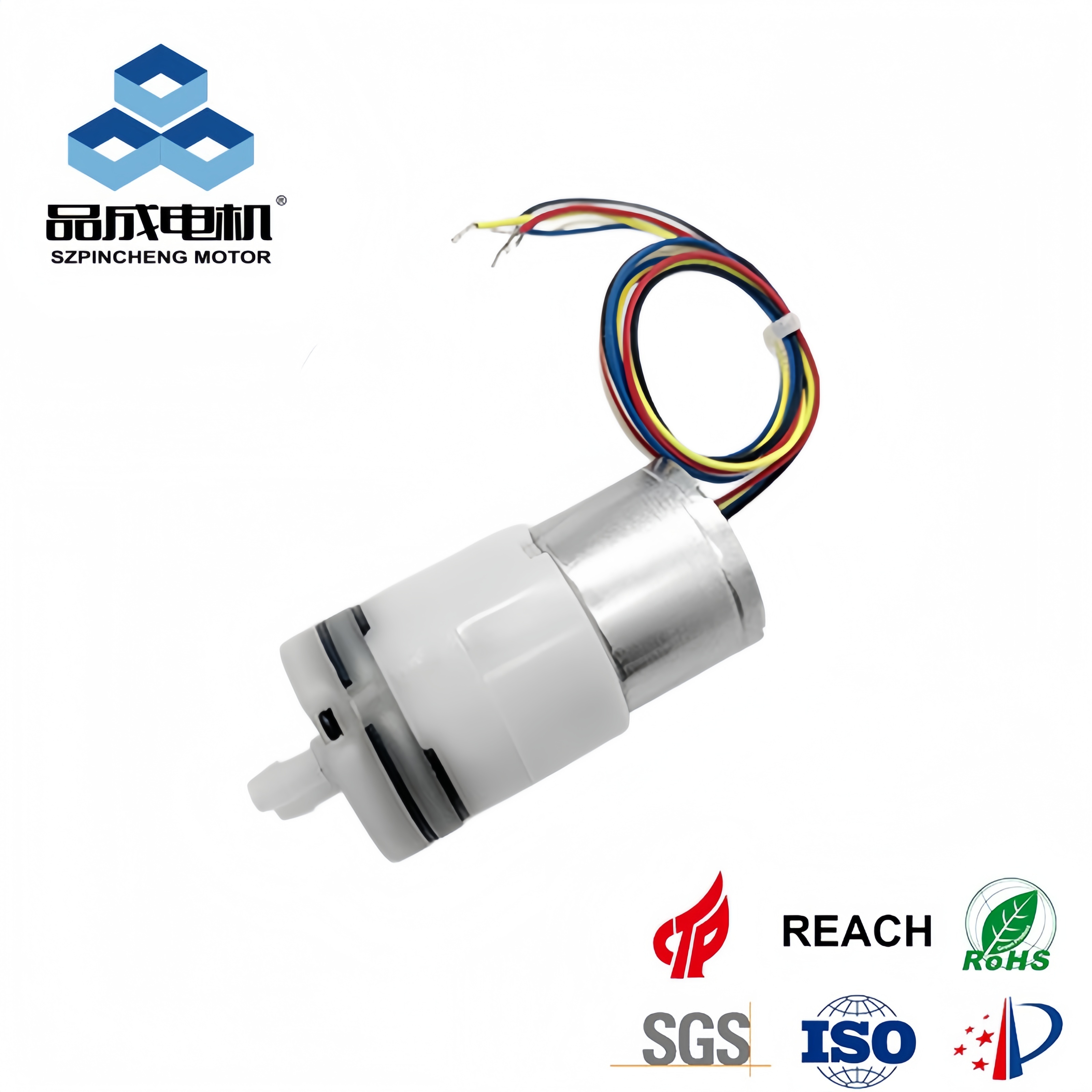

Self-Priming Micro Water Pump | OEM & ODM Supplier
No manual priming required. Pinmotor self-priming micro water pumps provide 1–5 m suction lift and flexible installation above the liquid level for OEM applications. OEM and ODM customization available.
Self-Priming vs Non-Self-Priming: Installation Comparison
| Criteria | Self-Priming Micro Pump | Non-Self-Priming Micro Pump | Selection Consideration |
|---|---|---|---|
| Pump Position | Can be installed above the liquid level (up to 1–5 m depending on model) | Usually installed below or at the same level as the liquid source | Self-priming pumps offer greater installation flexibility |
| Initial Startup | Automatically primes the suction line without manual filling | May require manual priming or a foot valve | Self-priming pumps simplify installation |
| Restart After Empty Suction Line | Can automatically re-establish liquid flow | Manual priming may be required |
Better suited for intermittent operation |
| Short Dry Running During Priming | Supports short dry running during the priming process | Extended dry running should be avoided | Self-priming pumps tolerate temporary dry starts |
| System Complexity | No additional priming devices required in most applications | Additional valves or priming methods may be necessary | Self-priming systems can simplify system design |
| Typical Applications | Water dispensers, coffee machines, laboratory equipment, remote liquid transfer systems | Submerged installations and applications without suction lift requirements | Select according to installation conditions |
When Should You Choose a Self-Priming Pump?
Self-priming pumps are recommended when:
- The liquid tank is positioned below the pump.
- The suction tube may empty during operation.
- Automatic restart after maintenance or tank replacement is required.
- Installation flexibility is important for equipment design.
Non-self-priming pumps are suitable when:
- The pump remains below the liquid level.
- Continuous liquid supply is available.
- Suction lift is not required.
Suction Lift Performance & Priming Time
Selecting a self-priming micro water pump involves more than flow rate and pressure. Suction lift capability, priming time, and tubing layout directly affect startup performance and system reliability.
| Model | Voltage | Max Suction Lift | Flow Rate | Typical Priming Time* | Typical Applications |
|---|---|---|---|---|---|
| 370-XA | 3-24V DC | Up to 5 m | 0.3-0.8 LPM | 20-40 s | Portable coffee machines, compact liquid transfer systems |
| 370-XB | 3-24V DC | Up to 5 m |
0.3-1.2 LPM | 20-35 s | Water dispensers, automatic filling equipment |
| 370-XC | 3-24V DC | Up to 5 m |
0.3-1.2 LPM | 20-35 s | Medical equipment, laboratory devices |
| 370-XAZ | 3-24V DC | Up to 5 m | 0.3-0.7 LPM | 20-45 s | Anti-leak liquid transfer systems |
*Priming time varies depending on tubing diameter, suction height, liquid viscosity, and installation conditions.
3 Selection Guidelines for Suction Lift Applications
Keep Working Suction Lift Below the Maximum Rating
For stable operation, the actual suction lift should generally remain below 70–80% of the pump's rated maximum suction lift.
For example, a pump rated for 5 m suction lift is best used within approximately 3.5–4 m.
Longer Suction Distance Means Longer Priming Time
As suction height and tubing length increase, more air must be evacuated before liquid reaches the pump chamber.
Systems with frequent start-stop cycles should verify whether the priming time meets operational requirements.
Tubing Design Affects Priming Performance
Large tubing diameters, excessive bends, and loose connections increase airflow resistance and may extend priming time.
Shorter tubing runs and properly sealed connections help achieve faster liquid pickup.
Not Sure Which Self-Priming Pump Fits Your System?
Share your installation height, suction distance, flow requirement, and liquid type. Pinmotor can help identify the most suitable model for testing and integration.
Applications by Suction Requirement
The required suction lift depends on the installation position of the liquid tank and the distance between the tank and the pump. Choosing a self-priming water pump with sufficient suction capability helps ensure stable startup and reliable liquid transfer.
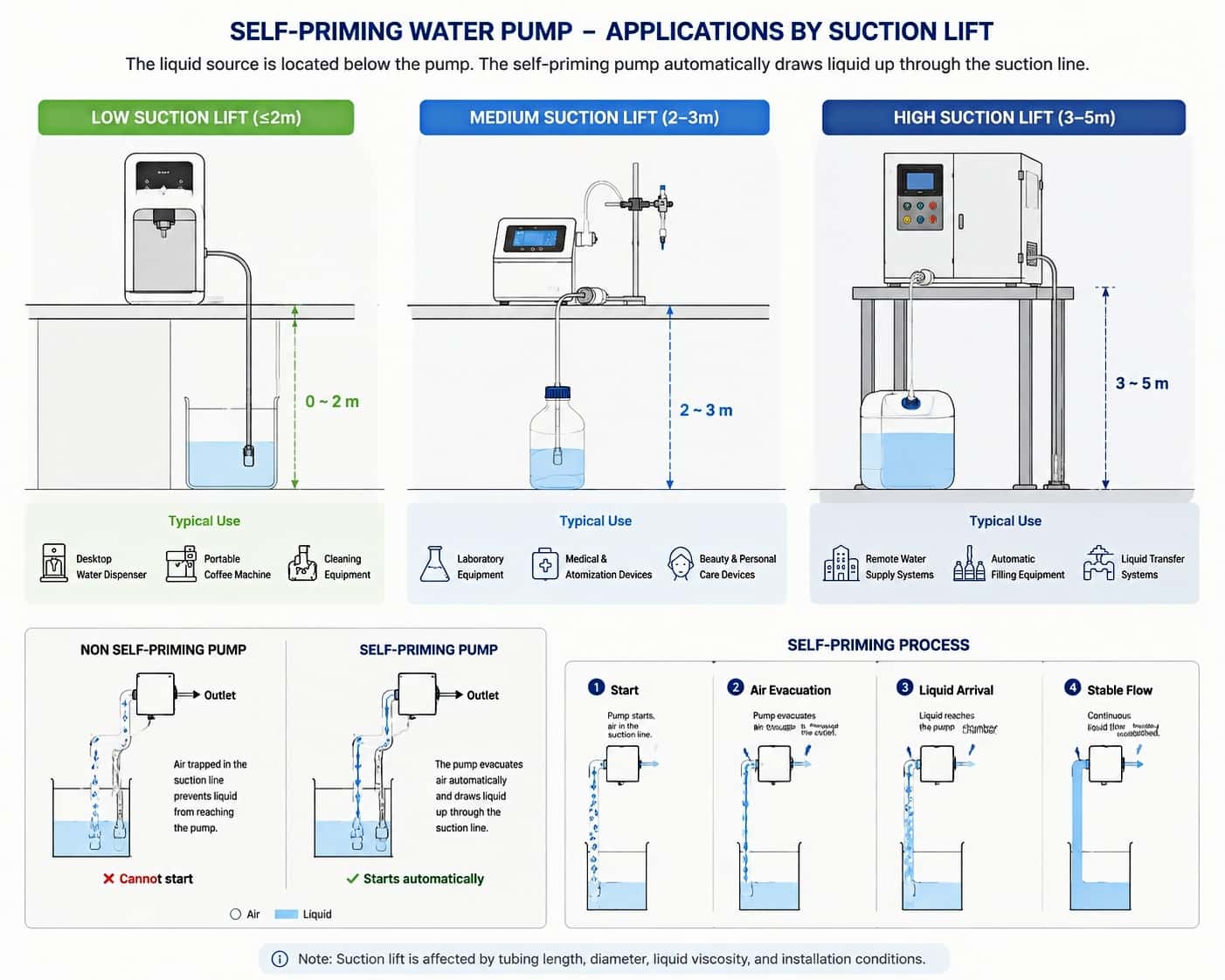
Low Suction Lift (≤2 m)
Used when the liquid source is close to the pump.
- 1、Desktop water dispensers – Water tank installed inside the base of the unit, suction lift typically 0.5–1 m.
- 2、Portable coffee machines – Water reservoir located below the pump, suction lift approximately 0.3–1 m.
- 3、Cleaning equipment – Water tanks positioned beneath the pump assembly, suction lift generally 0.5–1 m.
Medium Suction Lift (2–3 m)
Used when the pump is installed above the liquid tank or longer tubing is required.
- 1、Laboratory liquid transfer equipment – Reagent bottles placed below the working platform, suction lift 1–2 m.
- 2、Beauty devices – Liquid containers integrated into the lower housing of the equipment, suction lift 1–2 m.
- 3、Atomization systems – Liquid reservoirs installed beneath the device structure, suction lift 1.5–2.5 m.
High Suction Lift (3–5 m)
Used when the liquid source is located well below the pump.
- 1、Remote water supply systems – Water containers placed on the floor while the dispensing point is elevated, suction lift 3–4 m.
- 2、Automatic filling equipment – Bulk liquid tanks installed below the filling station, suction lift 3–5 m.
- 3、Liquid transfer systems with long suction lines – Pump mounted above the liquid source, suction lift 3–5 m.
Selection Tip:
For stable self-priming performance, the actual installation height should remain below the pump's maximum rated suction lift. Tubing length and routing should also be considered during pump selection.
What Is a Self-Priming Micro Water Pump?
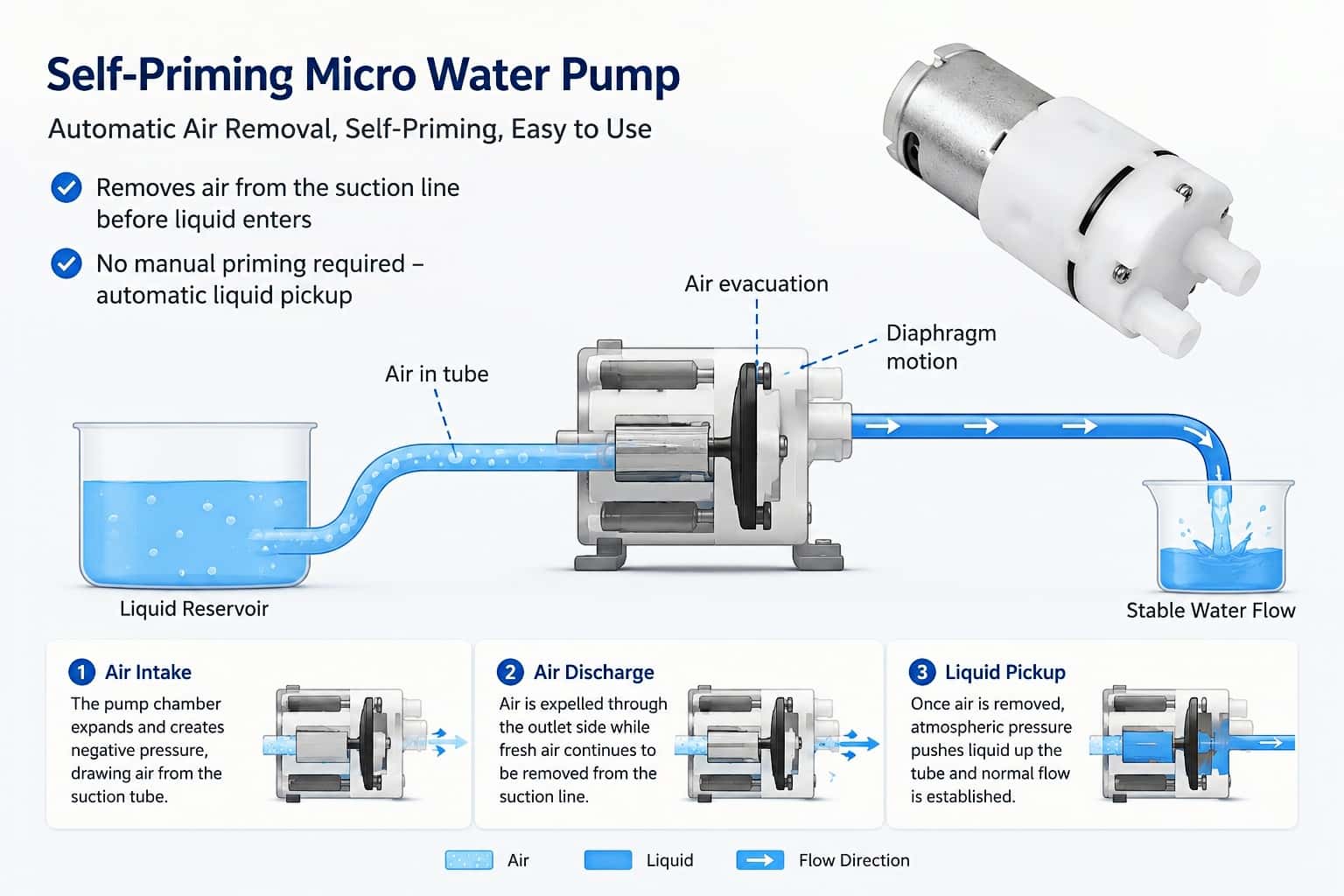
A self-priming micro water pump is designed to remove air from the suction line before liquid reaches the pump chamber. Once the air is evacuated, atmospheric pressure pushes the liquid upward through the tube, allowing the pump to establish normal flow automatically.
Unlike non-self-priming pumps, no manual priming or external filling is required before startup.
Why Diaphragm Pumps Excel at High Pressure
Self-priming pumps are suitable for applications where the liquid source is positioned below the pump. They can automatically draw liquid through the suction tube without manual filling before startup.
This simplifies installation and helps maintain normal operation when the suction line contains air or becomes empty during use.
Common Installation Scenarios
- The liquid tank is installed below the equipment.
- The pump is located away from the liquid source.
- The suction tube may empty between operating cycles.
- Automatic restart is required after tank replacement or maintenance.
Looking for a Self-Priming Water Pump for Your Project?
Tell us your required suction height, flow rate, voltage, and application. We'll recommend suitable pump models and customization options for your OEM project.
Dry-Run Protection & Intermittent Operation
During the self-priming process, the pump operates briefly without liquid while air is being evacuated from the suction tube. This temporary dry running is normal and should be considered when designing the system.
Common Dry-Run Conditions
| Condition | Cause | Recommendation |
|---|---|---|
| Initial Priming | Air inside the suction tube during startup | Normal operation for self-priming pumps |
| Empty Reservoir | Pump continues running after the tank is empty | Install a liquid level switch or automatic shutoff |
| Air Lock | Air trapped in the suction line | Reduce tubing bends and improve sealing |
Priming Time vs Suction Lift
As suction lift increases, the pump requires more time to establish liquid flow.
| Suction Lift | Typical Priming Time* |
|---|---|
| 0.5–1 m | 3–10 s |
| 2 m | 10–20 s |
| 3 m | 15–25 s |
| 5 m | 20–40 s |
*Actual priming time varies depending on tubing diameter, liquid viscosity, and installation conditions.
H3: Design Recommendations
- Keep the working suction lift within 70–80% of the pump's maximum rated suction lift.
- Minimize unnecessary tubing length and bends.
- Use liquid-level protection for unattended operation.
- Verify priming performance under actual installation conditions before mass production.
Engineering Tip: For installations above 3 m suction lift, both priming time and tubing layout should be evaluated during system testing to ensure reliable startup.
OEM & ODM Customization
Different installations require different suction lift, priming speed, voltage, connector types, and material configurations. Pinmotor provides customization services for self-priming water pumps with MOQ starting from 500 pcs.
Self-Priming Water Pump Customization Options
| Customization Item | Adjustment Method | Available Range |
|---|---|---|
| Suction Lift | Diaphragm stroke, chamber volume, valve structure optimization | 1–5 m |
| Priming Time | Valve response and internal flow path optimization | <10 s, <20 s, <30 s |
| Dry-Run Tolerance | Diaphragm and sealing material upgrades | Based on operating conditions |
| Voltage | Motor winding adjustment | 3V, 3.7V, 5V, 6V, 9V, 12V, 24V DC |
| Connector Type | Inlet and outlet customization | φ6, φ8, φ10 mm, G1/8", quick connectors |
| Wetted Materials | Diaphragm, pump chamber, and seal selection | Food-grade silicone, PPS, NBR and other materials |
Need a customized self-priming water pump?
Send us your suction lift, liquid type, voltage, and tubing specifications.
Common Customization Requests
- Increasing suction lift for elevated installations
- Reducing priming time for faster liquid pickup
- Matching pump voltage to battery or power supply systems
- Custom hose fittings for direct assembly
- Material compatibility for water, cleaning liquids, and specialty fluids
- Frequent start-stop applications
MOQ & Sampling
- MOQ: 500 pcs
- Sample lead time: 5-7 working days
- OEM logo and packaging available
- Performance verification before mass production
Why Pinmotor for Self-Priming Water Pump Projects
14 Years of Micro Pump Manufacturing Experience
Established in 2012, Pinmotor specializes in miniature pumps and valves, supporting OEM and ODM projects across fluid transfer applications.
Annual Capacity of 50 Million Units
With 20,000 m² of production facilities, over 600 employees, and 85% automated production lines, we support stable supply for both small and large-volume orders.
Certified Quality Management System
Products are manufactured under ISO 9001:2015 standards and comply with CE, RoHS, REACH, and EMC requirements for global markets.
Experience with Global Customers
Pinmotor has supported long-term projects in household appliances, personal care devices, medical equipment, and liquid transfer systems.
Fast Sampling and Flexible MOQ
Samples are typically available within 7 days, with evaluation quantities from 5–50 pcs and mass production MOQ starting from 500 pcs.
Self-Priming Performance Verification
Self-priming pump models are verified for suction lift, priming performance, flow rate, and operating current before shipment.
FAQ About Self-priming micro water pump
Can a self-priming pump be installed above the liquid tank?
Yes. Self-priming pumps are designed for installations where the liquid source is below the pump. The maximum installation height depends on the pump's rated suction lift and the actual tubing layout.
What factors affect priming time?
Priming time is influenced by suction height, tubing length, tubing diameter, liquid viscosity, and air leakage within the system. Shorter tubing and proper sealing generally improve startup performance.
What liquids can self-priming micro water pumps handle?
Pinmotor self-priming pumps are commonly used with water, cleaning solutions, food-grade liquids, and other non-corrosive fluids. Material selection should be confirmed when handling specialty liquids.
Can the inlet and outlet connectors be customized?
Yes. Different hose barb sizes, threaded ports, and quick-connect fittings are available to match various tubing systems and assembly requirements.
What information is required for pump selection?
To recommend a suitable model, we typically require the operating voltage, required flow rate, installation height, tubing length, liquid type, and expected duty cycle.
Can I request samples before mass production?
Yes. Samples are available for performance verification and system evaluation before volume production. MOQ for mass production starts from 500 pcs.
Need Help Selecting the Right Self-Priming Water Pump?
Share your suction lift, liquid type, tubing layout, and operating voltage. Our engineers can recommend a suitable self-priming pump for testing and OEM production.