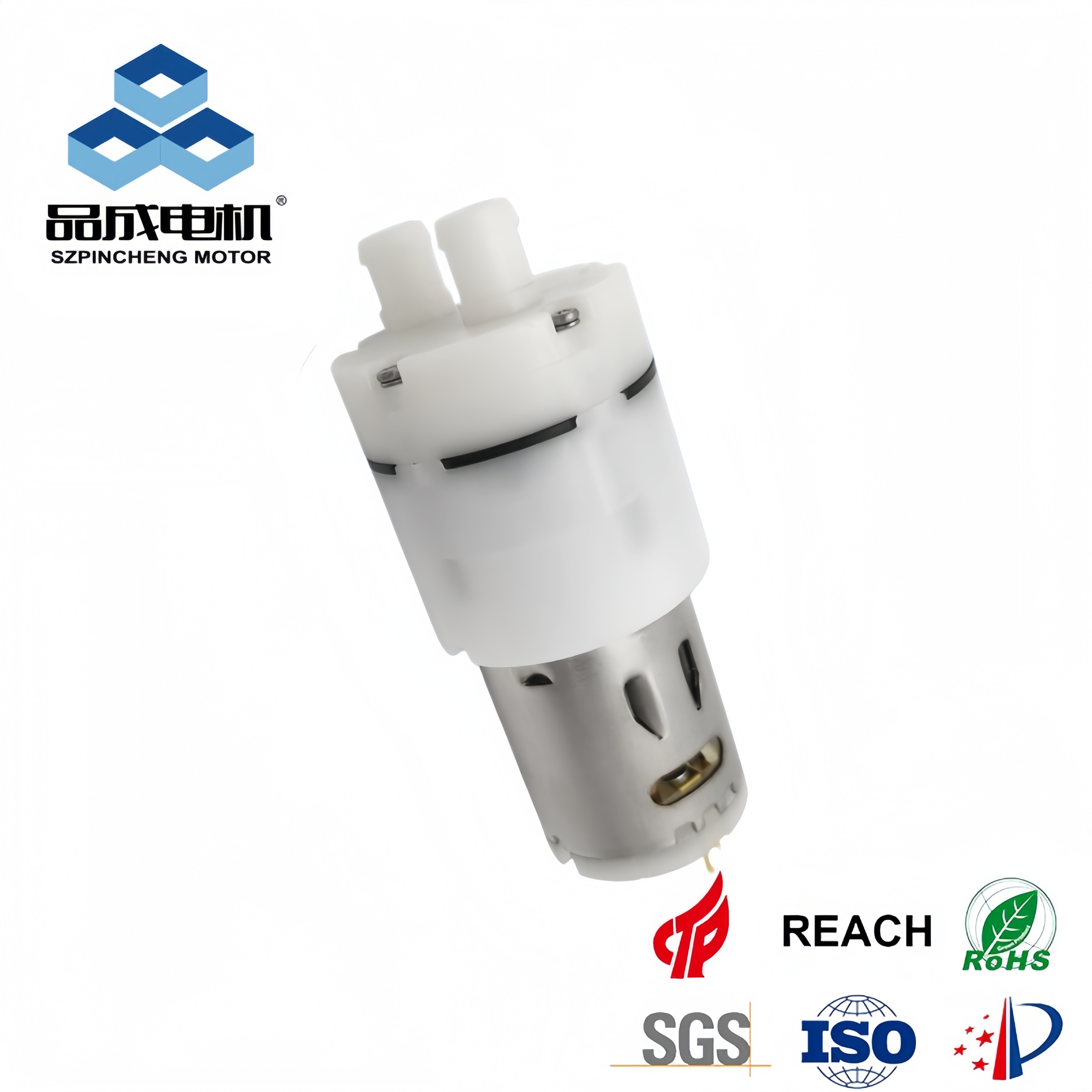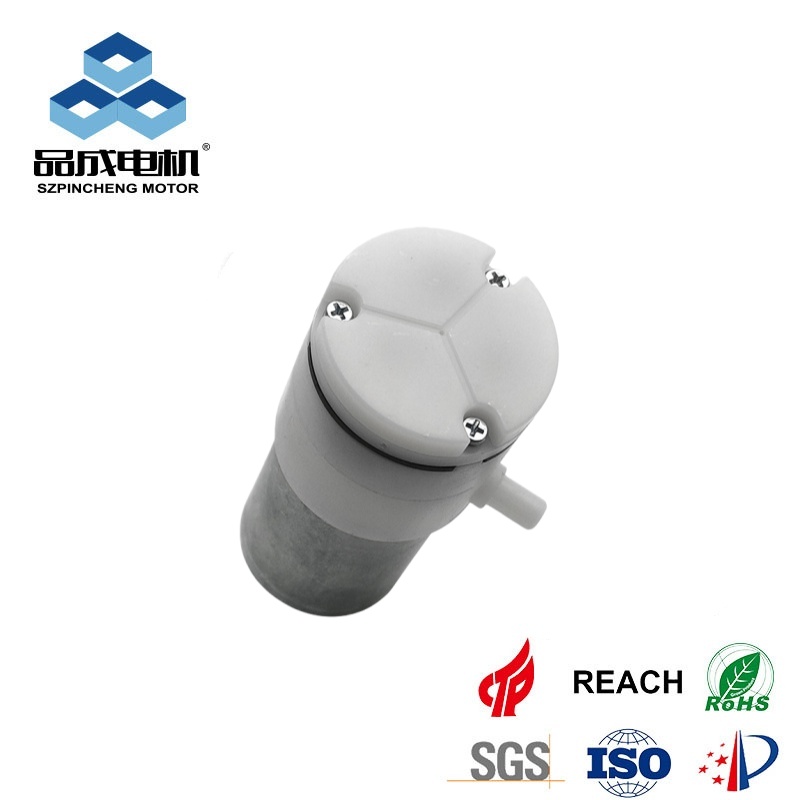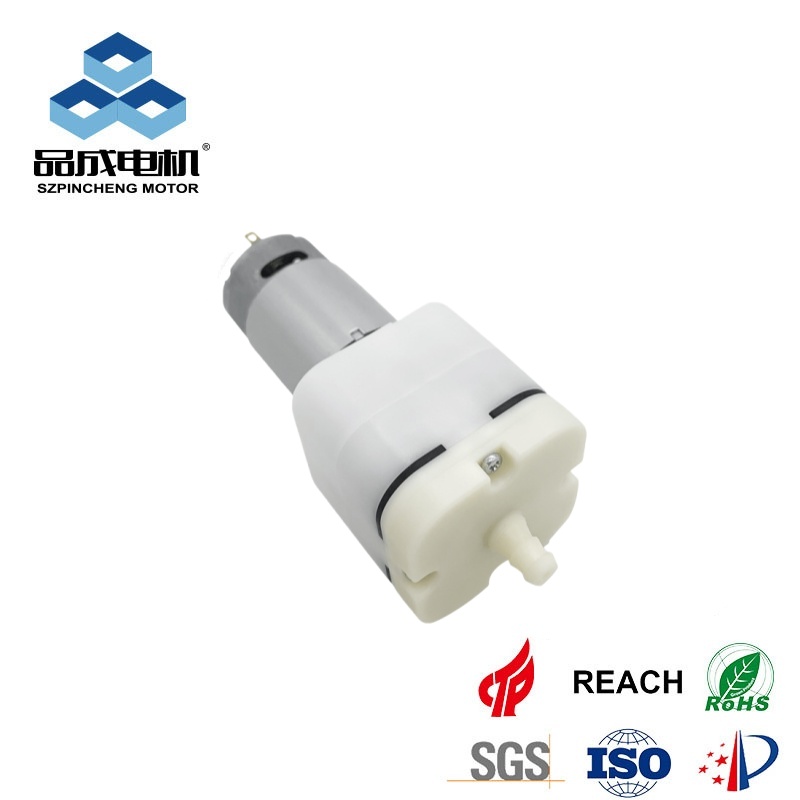

Micro Pneumatic Solenoid Valve for OEM Air & Vacuum Control
Pinmotor manufactures compact micro pneumatic solenoid valves for low-pressure air and vacuum control in OEM equipment.
Available configurations support pressure holding, controlled exhaust, vacuum release and air-path switching, with options for single-channel or multi-channel pneumatic systems used in
medical devices, massage equipment, beauty products and other compact electronic equipment.
Micro Pneumatic Solenoid Valve Product Range
Pinmotor pneumatic valves are divided mainly by air-control function.
| Valve Type | Main Function | Typical Equipment |
|---|---|---|
| Compact Pressure-Release Valve | Hold or release pressure from a small air chamber | Blood pressure monitors, massage products |
| Two-Way Valve | Open or close one air path | Small pneumatic control modules |
| Three-Way Valve | Switch between supply, chamber and exhaust paths | Massage, rehabilitation and air-control equipment |
| Vacuum Valve | Hold or release negative pressure | Breast pumps, cupping and vacuum equipment |
| Multi-Channel Valve Assembly | Control several independent air channels | Multi-zone massage and rehabilitation equipment |
For equipment with a simple ON/OFF air path, a two-way valve may be sufficient. Systems that need both inflation and exhaust control normally require a more complex air-path arrangement. Vacuum applications should use a model whose performance has been tested under negative pressure.
Typical Specifications
The following values summarize the product range shown in the Pinmotor catalogue. Exact specifications should be confirmed by model.
| Parameter | Typical Product Range |
|---|---|
| Medium | Air |
| Rated Voltage | 3V, 3.7V, 4.5V, 5V, 6V, 9V, 12V, 24V DC, depending on model |
| Valve Function | Normally open, normally closed, two-way, three-way and vacuum configurations |
| Positive Pressure | Many compact models are specified around 40 kPa / 300 mmHg |
| Vacuum | Selected models are specified around -60 kPa |
| Air Port | Varies by model and valve structure |
| Operating Temperature | Model dependent; many compact models are specified around 0–50°C |
| Coil Data | Current, resistance and power vary with voltage and model |
| Leakage | Defined under specified pressure and chamber conditions |
| Life Test | Defined together with the model-specific ON/OFF test cycle |
The catalogue shows that exhaust speed, leakage and life are tested under defined conditions rather than as universal values. For example, some models measure pressure release from 300 mmHg to 15 mmHg in a specified tank volume, while vacuum models use different pressure and chamber conditions.
For this reason, values from different models should only be compared when the test conditions are also considered.
The Miniature 3-Way Solenoid Valve offers precise air control for wearable devices with a compact design for easy integration. Its leak-free operation and fast exhaust ensure reliable performance. Enhance your device’s efficiency with this high-precision valve – the ideal choice for medical monitors, fitness trackers, and smart wearables.
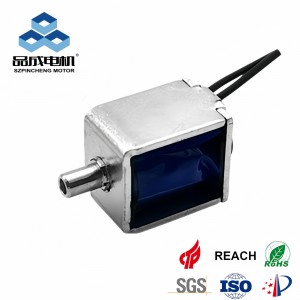
The 1-XB is a miniature, 1-position 1-way normally opened solenoid valve. It is designed for air medium applications requiring pressure relief or flow control. The unit consists of a metal frame housing a coil and is equipped with an air tap. For electrical connectivity, it utilizes lead wires and a terminal.
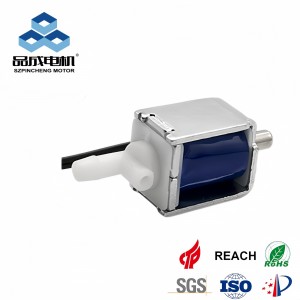
This professional-grade electromagnetic air valve serves as a vital directional control solution for sophisticated micro-fluidic systems. Specifically developed to meet the needs of OEM manufacturers, it facilitates precise air distribution within rehabilitation robotics, automated beauty devices, and clinical monitoring tools. Its sleek, miniature architecture allows developers to maximize internal space without compromising on pneumatic efficiency.
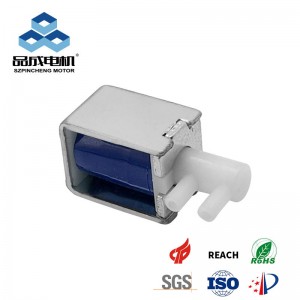
Mini 2-Position 3-Way 12V DC Solenoid Valve: Compact design for pneumatic systems, automation, and lab equipment. Features ≤30ms response time, IP65 waterproof rating, and CE/RoHS compliance. Operates at 12V DC with low power consumption (1.2W). Durable POM/brass construction, normally open/closed options. Ideal for medical devices, pressure control, and robotic grippers.
How to Select the Right Pneumatic Valve
Start with what the equipment needs the valve to do.
If the system only needs to release pressure from a small chamber, a compact pressure-release valve may be enough. If the valve must switch between an air source and an exhaust path, a two-way or three-way configuration may be more suitable. For negative-pressure equipment, the required vacuum level and release condition should be defined first.
The next step is to check the complete pneumatic system.
The most important information is:
Pressure or vacuum level
Provide the normal and maximum operating condition.
Chamber volume
A 100 cc chamber and a 500 cc chamber will not have the same filling or exhaust time with the same valve.
Required operating time
State how quickly the equipment must inflate, hold or release pressure.
Tubing and fittings
Small or long tubes can become the main restriction in the air path.
Operating sequence
Explain when the pump runs, when the valve closes and when the system exhausts.
A simple sequence such as:
Pump ON → Pressure rises → Valve holds → Valve opens → Pressure releases
is often more useful for model selection than providing voltage alone.
Need Help Selecting a Pneumatic Valve?
Send us your pressure or vacuum level, chamber volume, required valve function, DC voltage and installation space. We can compare these requirements with available valve models for sample testing.
For replacement projects, you can also send your current valve datasheet or drawing.
Typical OEM Applications
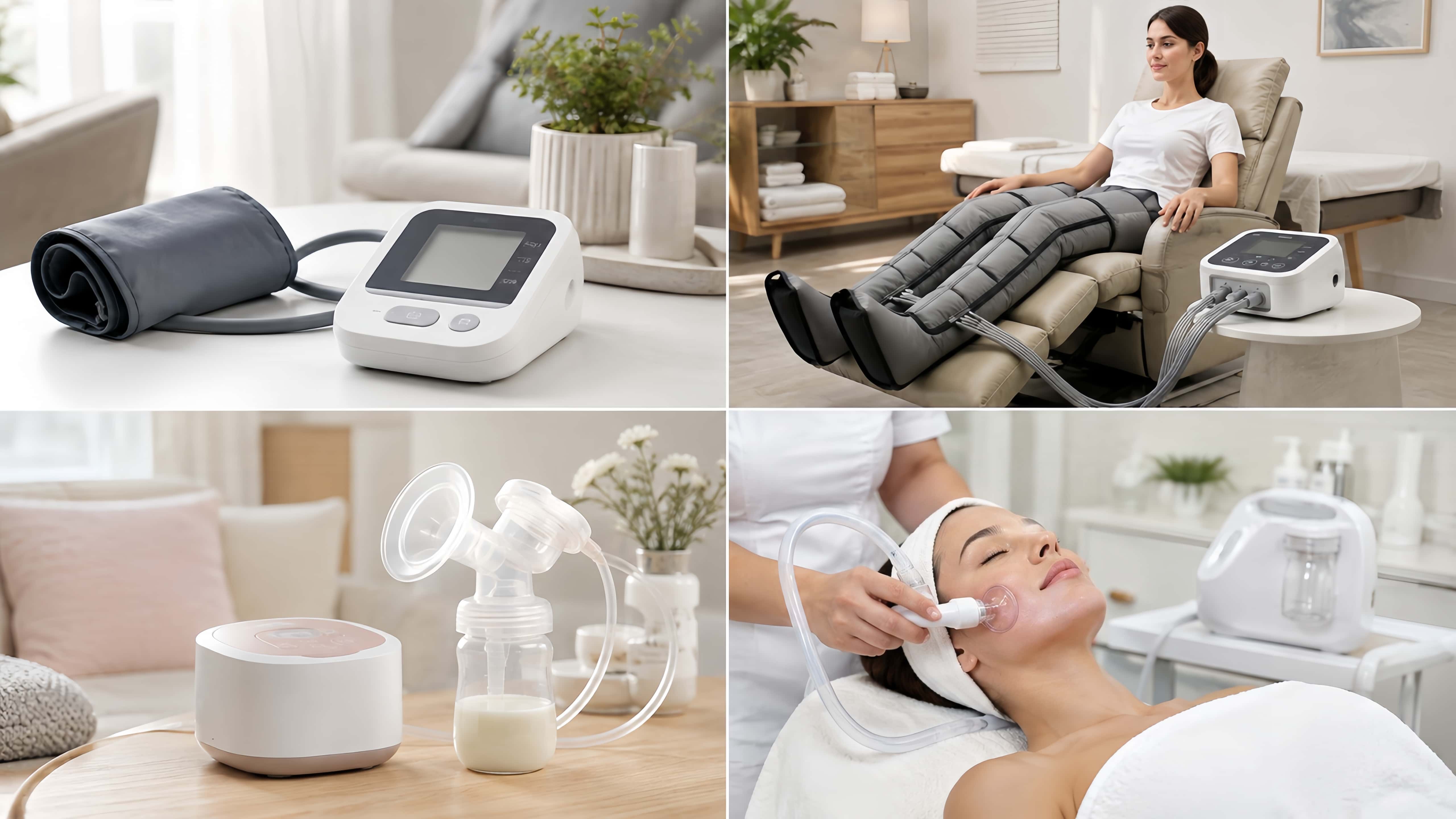
Blood Pressure Monitors
The valve can be used to hold cuff pressure and provide controlled pressure release during the measurement cycle.
The chamber volume, pressure range and exhaust time should be checked together when selecting a model.
Massage and Rehabilitation Equipment
Two-way, three-way or multi-channel valves can be used with air pumps to control inflation, pressure holding and exhaust in one or several air chambers.
Multi-channel systems should define how many chambers operate independently and whether several valves need to work at the same time.
Breast Pumps and Vacuum Equipment
Vacuum-valve models can be used to maintain or release negative pressure.
The required vacuum level, chamber volume and release time should be tested with the actual pump and tubing.
Beauty, Cupping and Personal-Care Equipment
Compact pneumatic valves can be integrated into devices that use controlled pressure or vacuum.
Because installation space is often limited, port direction, tubing routing and valve dimensions should be confirmed during equipment design.
Pinmotor micro pneumatic valves are mainly used in compact equipment that controls pressure, airflow or vacuum electronically.
Need a Pneumatic Valve for Your Equipment?
Send your pneumatic requirements or current valve datasheet. Pinmotor can compare the operating conditions with the available micro pneumatic solenoid valve models for sample evaluation.
OEM Selection and Sample Testing
For a new project, Pinmotor can review the valve according to the actual equipment conditions.
Provide the required valve function, pressure or vacuum level, chamber volume, required filling or exhaust time, DC voltage and available installation space.
For replacement projects, send the existing valve drawing or datasheet together with the current operating conditions.
A sample should then be tested using the actual:
● pump or vacuum source;
● chamber;
● tubing;
● fittings;
● control board;
● operating sequence.
Record the pressure, chamber volume and timing conditions together with the result.
After the sample passes the equipment test, the approved valve model, coil version, port arrangement, wiring and test conditions should be kept as the production reference.
Technical Information Available
Depending on the selected model, technical information can include dimensional drawings, rated voltage, current, DC resistance, power, air-port dimensions, pressure or vacuum conditions, exhaust test data, leakage test data, operating temperature and life-test conditions.
The catalogue also indicates that other parameters can be reviewed according to customer design requirements.
Frequently Asked Questions
What is a micro pneumatic solenoid valve?
It is a compact electrically controlled valve used to open, close or switch an air path in a small pneumatic system.
What valve types does Pinmotor offer?
The range includes normally open and normally closed valves, two-way valves, three-way valves, vacuum valves and multi-channel assemblies.
What voltage options are available?
Different models are available from 3V to 24V DC. Exact voltage options depend on the valve series.
Can these valves be used for vacuum?
Yes. Selected vacuum-valve models are designed for negative-pressure applications.
What is the difference between a two-way and three-way valve?
A two-way valve controls one air path. A three-way valve can switch between different pneumatic paths, such as supply and exhaust.
Why can the actual exhaust time differ from the catalogue?
Chamber volume, pressure, tubing and fittings all affect the final exhaust time.
Are multi-channel valves available?
Yes. Pinmotor offers parallel valve assemblies for equipment that controls several air chambers.
What should I provide for model selection?
Provide the valve function, pressure or vacuum level, chamber volume, required operating time, voltage and installation dimensions.
Need a Valve for Your Pneumatic System?
Send us your pressure or vacuum requirement, chamber volume, valve function and installation details. Pinmotor can review the available micro pneumatic solenoid valve models for sample testing.