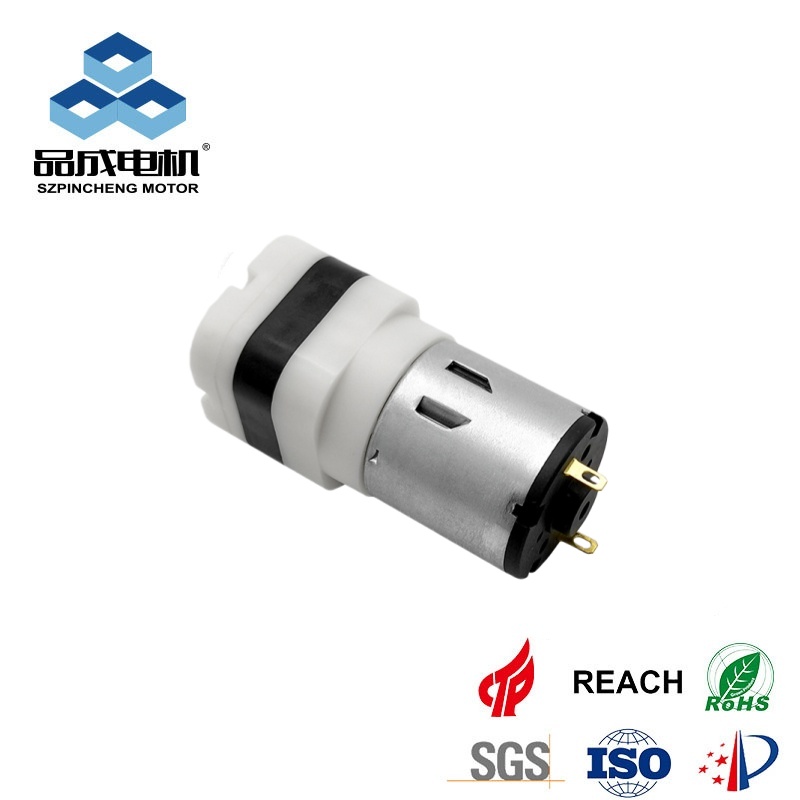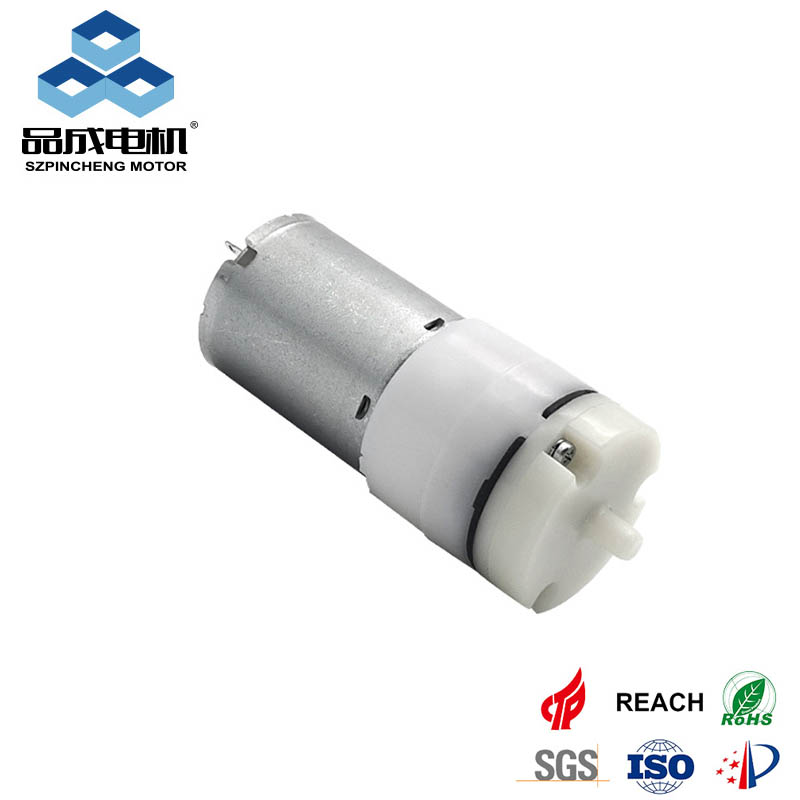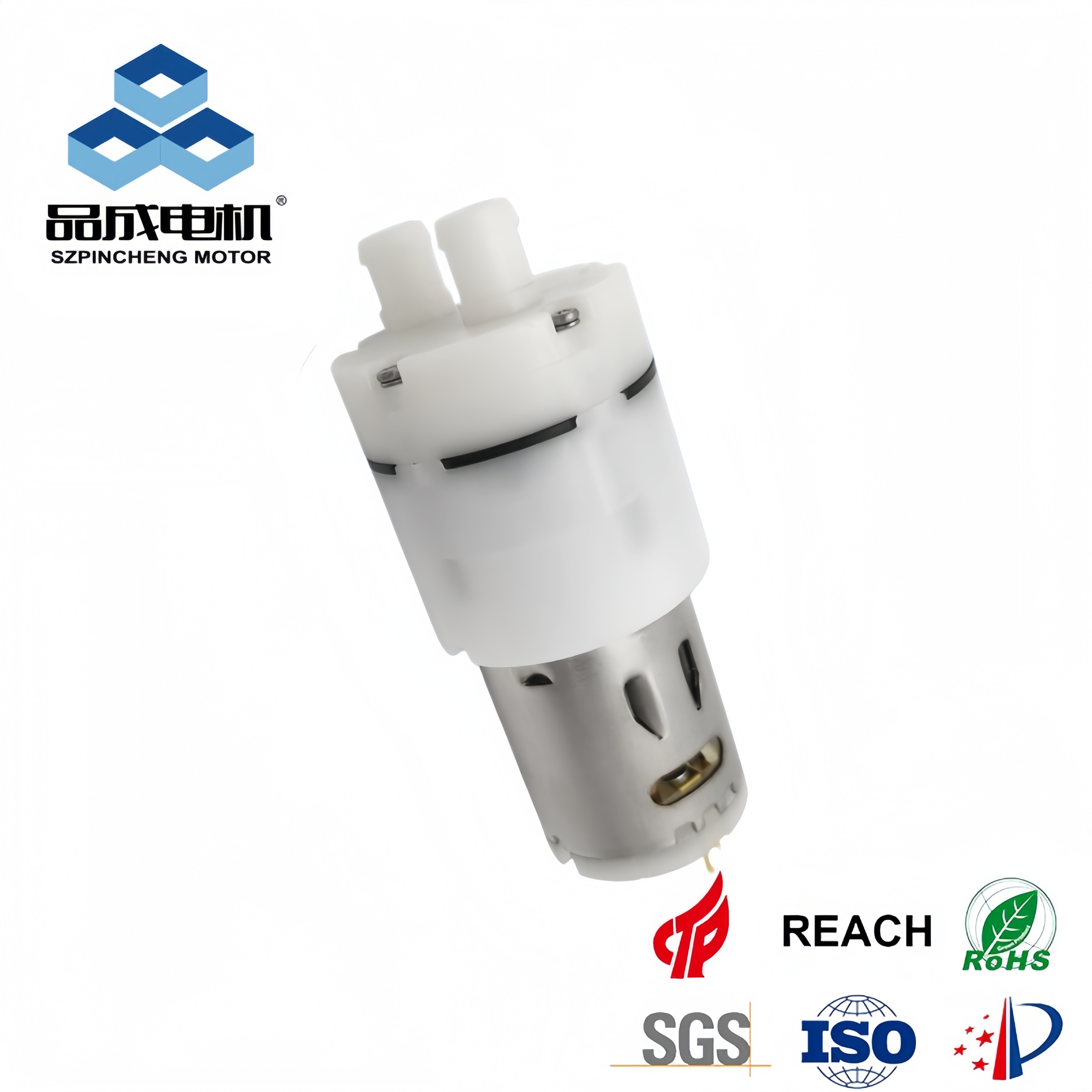

Key Parameters for Selecting a Micro Diaphragm Vacuum Pump
For OEM and wholesale projects, selecting the right micro diaphragm vacuum pump depends on vacuum level, flow rate, noise, voltage, and material compatibility. Pinmotor helps buyers match pump specifications with real device requirements for stable suction, easier integration, and long-term use.
|
Parameter
|
What It Affects | Typical Range / Options | Selection Notes |
|---|---|---|---|
|
Vacuum Level
|
Determines the negative pressure the pump can create in the system | Approx. -50 to -80 kPa depending on model | Choose based on chamber volume, tubing length, sealing condition, and required suction strength |
|
Flow Rate
|
Affects how fast air is removed or transferred | Approx. 0.3 to 25 LPM across the product range | Higher flow is better for faster response; lower flow is suitable for small air paths and compact devices |
|
Noise and Vibration
|
Influences user experience and device stability | Depends on motor speed, pump structure, load, and mounting | Important for handheld devices, medical equipment, and compact desktop systems |
|
Voltage Options
|
Determines power compatibility with the final device | Common options include 3V, 3.7V, 4.5V, 6V, 9V, 12V, 24V | Select according to the device power system; 12V is a common OEM option for stable integration |
|
Pump Head and Diaphragm Materials
|
Affects sealing, durability, and media compatibility | Materials vary by structure and model | Confirm compatibility for dry air, humid air, gas sampling, or light vapor applications |
Key Design Benefits for OEM Integration
For OEM device development, a micro diaphragm vacuum pump must fit the full system layout, not just the vacuum requirement. Installation space, air tube direction, wiring, and mounting design all affect how smoothly the pump can be integrated into the final product.
The compact body makes it easier to install the pump inside small housings, handheld devices, and built-in modules, while leaving more room for batteries, PCBs, sensors, and tubing.
Port direction, connector type, wire length, and mounting structure can be adjusted to match different OEM layouts, helping simplify assembly and air path design.
A simplified internal structure helps reduce maintenance needs after installation, which is useful for devices that require repeated operation and stable long-term performance.
The pump can be matched with portable systems that use batteries, control boards, compact housings, and short air tubes, making it suitable for handheld and embedded equipment.
Typical Device Applications for Micro Diaphragm Vacuum Pumps
Micro diaphragm vacuum pumps are used in compact devices that need active suction, gas transfer, or negative pressure control. They are mainly selected for equipment with limited internal space, short tubing paths, and stable flow requirements.
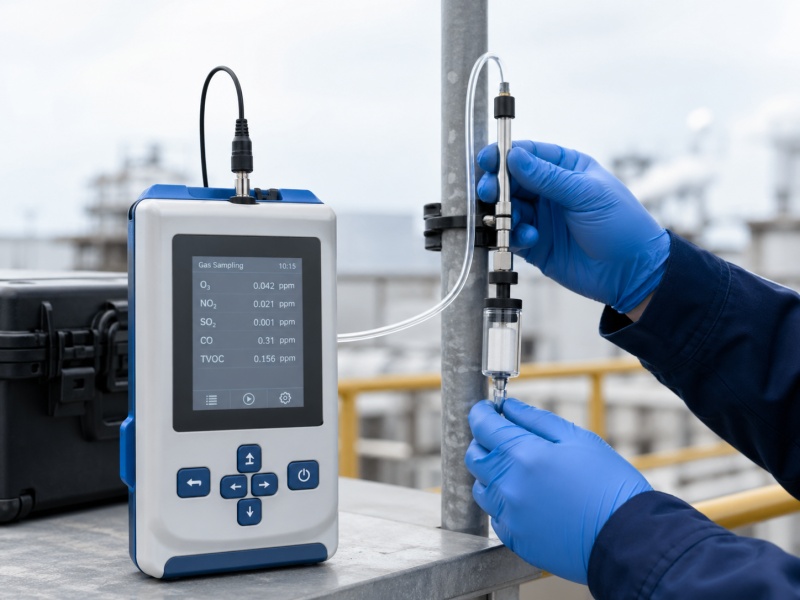
Gas Sampling Devices
-
portable gas samplers
-
air quality monitors
-
VOC detection devices
-
environmental sampling instruments
-
gas sensor modules
In gas sampling devices, the diaphragm pump creates a pressure difference between the sampling inlet and the sensor chamber. This pulls gas through tubing, filters, drying columns, or sensing modules at a controlled flow rate. Active sampling helps the sensor receive a more stable gas flow than natural diffusion.
Portable Medical and Diagnostic Devices
-
portable suction devices
-
diagnostic sampling devices
-
point-of-care testing equipment
-
fluid handling instruments
-
negative pressure modules
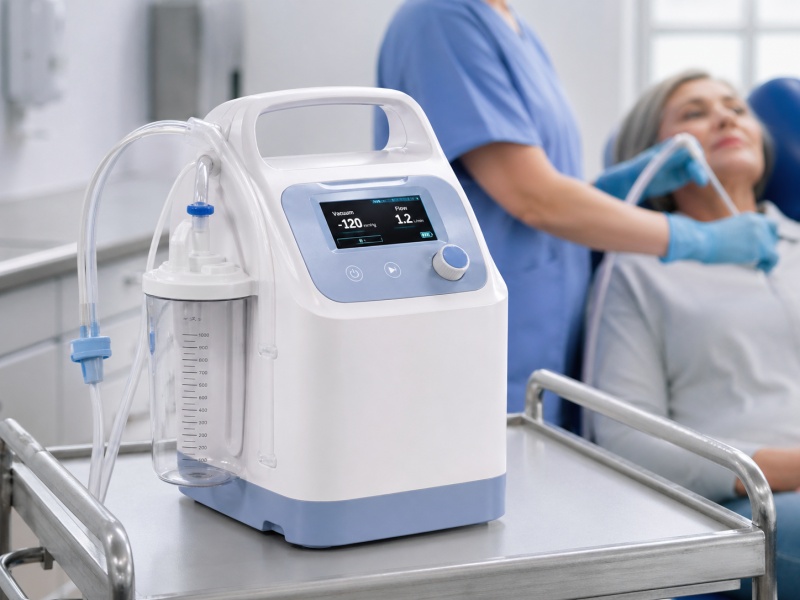
In portable suction units, the diaphragm pump draws air from a collection chamber to build negative pressure at the suction port. In diagnostic sampling devices, it moves air or samples through filters, cartridges, or detection chambers. This helps the device complete suction, sampling, exhaust, or pressure control within a small internal layout.

Compact Automation Modules
-
vacuum pick-up modules
-
small gripping devices
-
sorting units
-
compact transfer mechanisms
-
air control modules
In vacuum pick-up modules, the diaphragm pump removes air from the suction cup or vacuum line to create holding force. When the part reaches the target position, the system can stop the pump or open a valve to release the vacuum. This is suitable for small parts handling, positioning, and transfer modules.
Laboratory and Analytical Equipment
-
vacuum filtration units
-
sample preparation devices
-
compact analyzers
-
small laboratory test instruments
-
air extraction modules
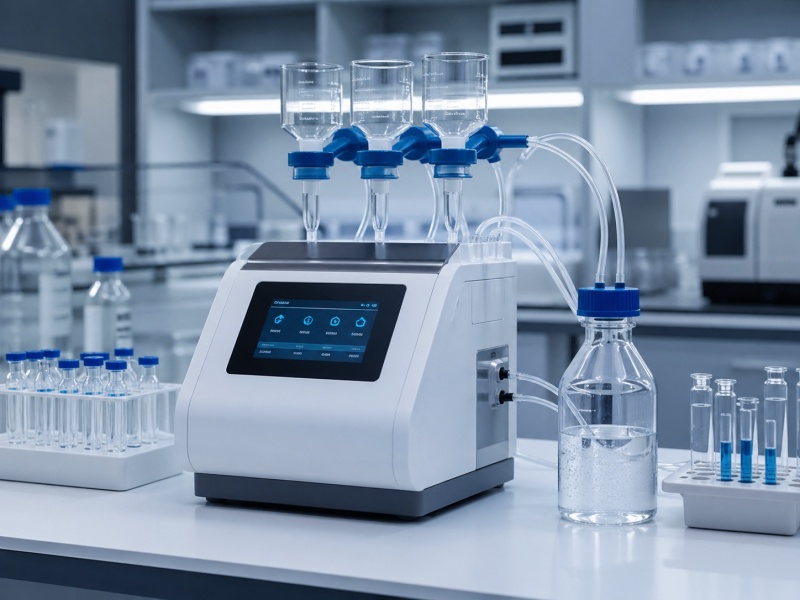
In vacuum filtration units, the diaphragm pump removes air from the lower chamber to help samples pass through the filter membrane. In compact analyzers, it can move air or samples through reagent channels, sample loops, or sensor chambers, helping the equipment maintain a defined flow path during repeated tests.
Why Choose a Diaphragm Structure for Micro Vacuum Applications?
A diaphragm structure is a practical choice for micro vacuum applications because it combines clean operation, compact size, and reliable vacuum performance. For OEM devices used in medical, beauty, sampling, and portable systems, this structure helps achieve efficient integration and stable suction in limited space.
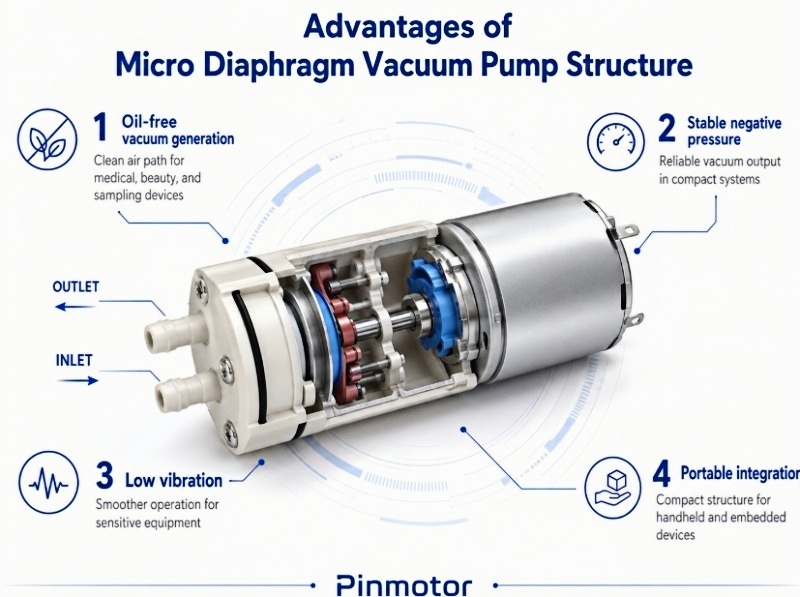
Oil-free vacuum generation
A micro diaphragm vacuum pump operates without oil in the air path, making it suitable for cleaner vacuum applications where low maintenance and simplified system design are important.
Stable negative pressure in compact systems
The diaphragm structure supports reliable negative pressure output in a compact footprint, which is ideal for embedded and space-limited OEM equipment.
Low vibration for sensitive devices
This structure can help reduce vibration during operation, supporting smoother performance for devices that require stable suction and improved user comfort.
Suitable for portable and embedded equipment
With its compact design and flexible integration potential, a diaphragm pump is well suited for portable, handheld, and embedded vacuum systems.
Need a Micro Diaphragm Vacuum Pump for Your OEM Device?
Tell us your voltage, flow rate, vacuum level, tubing layout, and order quantity.Pinmotor will help match the right pump solution for your project.
OEM Customization Options
In OEM device development, a micro diaphragm vacuum pump needs to match the product structure, power supply, air path layout, and assembly requirements. Pinmotor can adjust voltage, air connectors, wire leads, mounting methods, and operating performance according to project needs, helping customers complete sample testing and move into mass production.
FAQ About Micro Diaphragm Vacuum Pumps
Find answers about diaphragm structure, vacuum performance, flow rate, voltage options, and OEM customization for compact device projects.
Why is diaphragm structure suitable for compact vacuum devices?
A diaphragm structure can generate suction in a small pump body without a complex air path. This makes it suitable for compact devices that need negative pressure, gas transfer, or suction control in limited installation space.
Is a micro diaphragm vacuum pump oil-free?
Yes. A micro diaphragm vacuum pump does not require oil in the air path during operation. This helps keep the gas path cleaner and reduces maintenance needs in medical, sampling, beauty, and portable equipment.
Can diaphragm pumps be used in medical or sampling equipment?
Yes. Micro diaphragm vacuum pumps can be used in portable suction devices, diagnostic sampling devices, gas sampling modules, air quality monitors, and laboratory test instruments. The final model should be selected according to vacuum level, flow rate, tubing resistance, noise, and working cycle.
What should I consider when choosing vacuum level and flow rate?
Vacuum level affects suction strength, while flow rate affects how fast air is moved through the system. Selection should consider chamber volume, tube length, filter resistance, sealing condition, response time, and the required working mode of the device.
Can you customize voltage, connectors, or mounting structure?
Yes. Pinmotor can support custom voltage, motor matching, connector direction, tubing compatibility, wire length, and mounting structure according to OEM device requirements. Customization is usually confirmed through project details, sample testing, and production requirements.
Request a Quote for Micro Diaphragm Vacuum Pumps
Send us your voltage, vacuum level, flow rate, tubing layout, and application requirements. Pinmotor will help match a suitable pump option for your device.