

Regardless of the application, choosing the most suitable pump type is a challenge. Among the many liquid transfer pump technologies, diaphragm pumps and peristaltic pumps are the two most common types.
So, which of these two technologies is better? What applications are they suitable for?
Pump selection is complex not only because of the many factors to consider, but also because of the wide variety of pump types. As the two most widely used liquid transfer technologies, diaphragm pumps and peristaltic pumps each have a wide range of applications. Below, we will delve into the advantages and limitations of these two pump technologies.
Working Principles of Diaphragm and Peristaltic Pumps
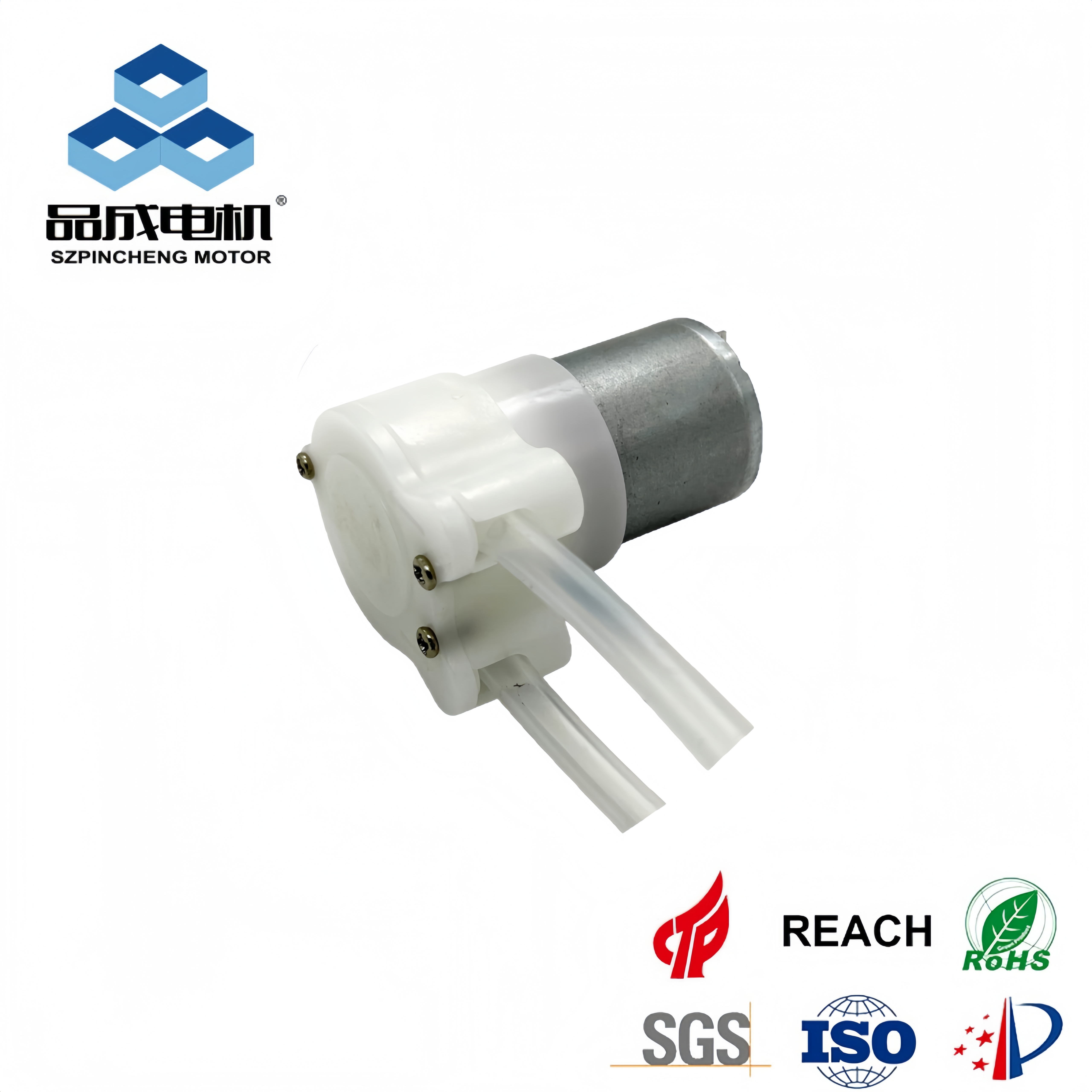
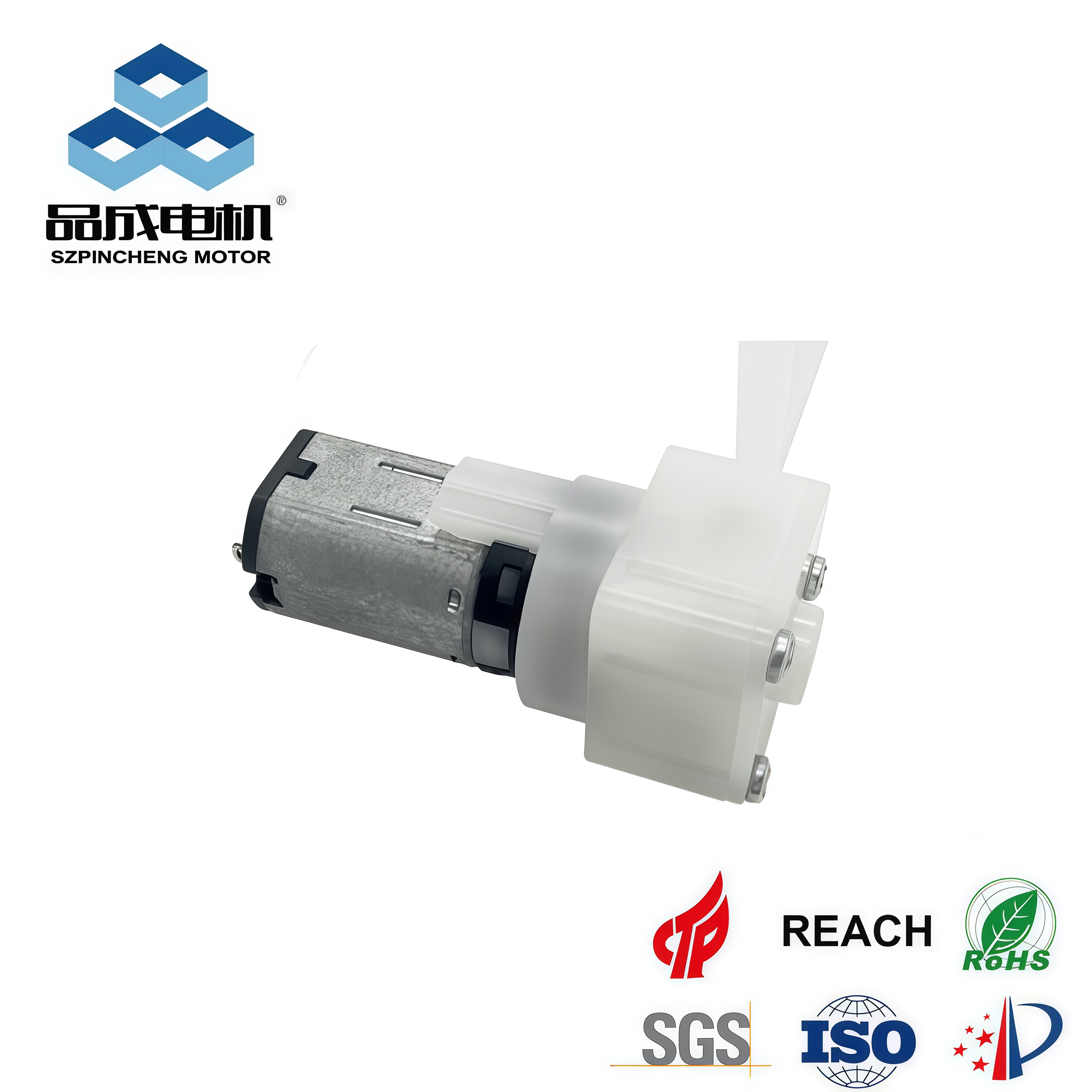
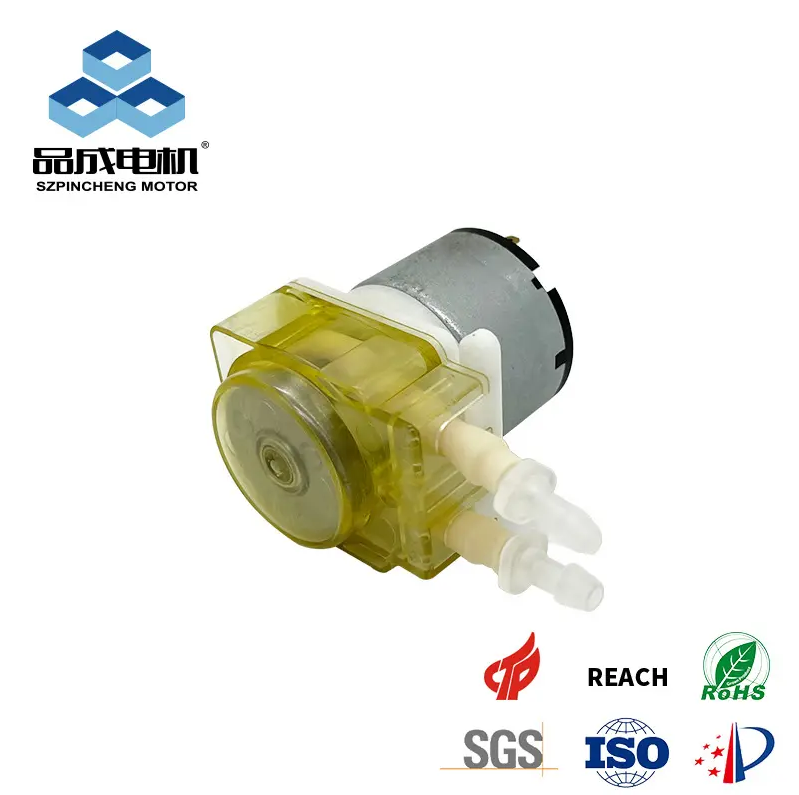
While these two pump types are often used in similar liquid transfer scenarios, their operating principles are quite different. Diaphragm pumps generate flow by driving a flexible diaphragm in reciprocating motion, forcing the medium (liquid) within the pump chamber to flow. Peristaltic pumps (also known as hose pumps) consist of a pressure block, rollers, and a compressed hose. The rotating rollers periodically squeeze the hose, driving the liquid within.
Which pump is better for liquids?
Both types of pumps are common in a variety of applications, including medical, laboratory, chemical/petrochemical, inkjet printing, and agriculture. When choosing a pump, there are several factors to consider. Among the most important are:
Lifetime cost
Hose handling
Cleaning and sterilization
Flow and pulsation
Usage with particulate and shear-sensitive media
Usage with hazardous liquids
So how do these two pumps perform on these factors? What are their respective advantages?
Lifetime Cost
Regardless of the pump technology used, operating costs, beyond the purchase price, are also a factor to consider. Maintenance and energy consumption are the two most significant factors in your operating costs. Diaphragm pumps require less frequent maintenance. Removing and replacing the diaphragm or valve disc is a relatively simple and economical process. Most routine maintenance for diaphragm pumps can be performed by the user, eliminating the need for a manufacturer visit and incurring additional maintenance costs.
While both technologies use tubing to move media in and out of the pump, only peristaltic pumps use rollers to compress the tubing (hose). This is a principle inherent to peristaltic pumps and an unavoidable design issue. Diaphragm pumps do not rely on rollers or compressed tubing to move fluid, thus avoiding the risk of tubing aging. This lack of reliance on tubing offers certain advantages.
Peristaltic pumps generally have a lower initial cost. However, over time, operating costs can escalate rapidly. Their tubing requires frequent replacement, adding to costs. While tubing replacement is relatively simple, the frequent need for replacement increases operating costs. Maintenance of rollers and other internal parts also tends to be more complex and expensive. In general, diaphragm pumps have lower lifetime costs than peristaltic pumps.
Reliability
Peristaltic pumps rely entirely on tubing to transport their fluids. Over time, the constant movement and compression of the pump's rollers degrade these tubing, causing it to lose its elasticity and wear. This inevitably leads to reduced flow rates and other problems. Consequently, the tubing needs to be replaced regularly, increasing costs. At best, worn tubing simply reduces efficiency. At worst, the tubing may crack or rupture, leading to leaks, downtime, and pump damage. This can be catastrophic if the pumped fluid is hazardous or corrosive. Some components of diaphragm pumps also degrade, but not as quickly or as severely.Peristaltic pump tubing requires frequent replacement, typically several times per year. Replacement costs can be high, and depending on the application, tubing made of specialized materials may be required, further increasing costs.
Cleaning and Disinfection
Diaphragm pumps can be cleaned in a variety of ways, depending on the application and the pumped fluid. In most applications, simply pumping a cleaning solution through the pump is sufficient. However, some applications require complete disassembly of the pump head. Once the pump is disassembled, thorough cleaning can be difficult.
When using a peristaltic pump, the tubing can be removed, discarded, and replaced, saving time and simplifying cleaning. As long as the tubing is replaced regularly and there are no leaks or ruptures, there's no need to clean the rest of the pump to ensure the purity of the media. Besides simplifying cleaning, peristaltic pumps are also easier to sterilize. This is crucial for laboratories and other applications that require frequent sterilization. Since the media only comes into contact with the tubing, only that tubing needs to be sterilized.
Flow Rate and Pulsation
Both peristaltic and diaphragm pumps can achieve considerable flow rates. However, diaphragm pumps offer advantages in providing smoother flow and lower pulsation. Because peristaltic pumps compress the tubing, achieving the consistent flow required for some applications can be challenging. This issue can be mitigated to some extent by purchasing a more expensive peristaltic pump equipped with more rollers. However, the additional rollers accelerate performance degradation, compressing and wearing the tubing more quickly, thus affecting flow rate. Using different tubing materials may help reduce pulsation somewhat, but this may also increase cost and affect flow rate.
Diaphragm pumps provide more stable strokes over time, resulting in a more uniform flow rate. To achieve smoother, low-pulsation flow, some diaphragm pump manufacturers offer multi-diaphragm configurations in which the diaphragms move in phase with each other, virtually eliminating individual pulse waves. Newer diaphragm pumps also feature integrated dampers and resonant chambers to further reduce pulsation. These options make diaphragm pumps more suitable for applications requiring smoother flow.
Peristaltic pumps offer other advantages regarding flow, particularly for applications requiring bidirectional flow. Their ability to quickly change flow direction without major modifications makes them ideal for applications requiring variable flow. Bidirectional flow can be achieved by simply changing the direction of roller rotation. Peristaltic pumps are also suitable for applications requiring a single pump to provide multiple flow rates or multi-channel flow. However, these capabilities may require additional rollers or even a pump with a larger roller capacity.
Which pump technology best meets flow requirements depends on the specific application. Peristaltic pumps are a better choice for applications requiring multi-directional flow. Diaphragm pumps are suitable for applications requiring stable, even flow with low pulsation.
For Particles and Shear-Sensitive Media
Many applications require the transfer of liquids containing particles. Diaphragm pumps excel at handling particles within a certain size. They are common in inkjet printing applications and can handle most inks without difficulty. However, they may struggle with longer particles, fibers, and pasty media. Diaphragm pumps rely on check valves to operate, which can become clogged by these particles. Peristaltic pumps lack these valves, eliminating this issue. The squeezing action of the rollers also propels particles more easily.
Diaphragm pumps excel at handling most types of shear-sensitive media. However, for extremely shear-sensitive media, such as blood or cells, peristaltic pumps are a better choice. Because the pumping action of a peristaltic pump has relatively little impact on the liquid, there is less chance of damaging or agitating the pumped suspension.
For hazardous or extreme temperature liquids
Corrosive liquids can quickly damage the hoses of a peristaltic pump, increasing the risk of leaks. Using chemically resistant tubing materials can reduce this risk, but this increases cost and may affect performance. Safety considerations make maintenance, already frequent, even more demanding, as a leak from these fluids could have catastrophic consequences.
Diaphragm pumps are typically constructed of chemically resistant materials. Like peristaltic pumps, these materials also increase cost. However, unlike peristaltic pumps, diaphragm pumps do not require the same frequent preventive maintenance required to safely handle hazardous liquids. Diaphragm pumps are also better able to handle liquids at extreme temperatures. Most tubing used in peristaltic pumps is not suitable for transporting extremely hot or cold media. Extremely hot liquids can make tubing too soft, affecting flow and increasing the likelihood of bursting. Similarly, extremely cold liquids can make tubing too rigid, preventing good flow. While diaphragm pumps may require specialized materials for these processes, they are more suitable for pumping both hot and cold media.
Pump Selection
Peristaltic pumps have a slightly more limited range of applications but are still an ideal choice for a wide range of applications. They are suitable for pumping extremely viscous or turbid liquids, as well as shear-sensitive media. Diaphragm pumps are easy to clean and sufficient for most applications. However, peristaltic pumps can be quickly cleaned and sterilized because their tubing can be removed and discarded after use. Therefore, they are a better choice for applications requiring frequent cleaning.
While diaphragm pumps are more universally applicable, this is not always the case. The choice of pump type depends on the specific requirements of the application. Diaphragm pumps have lower maintenance costs over their lifetime, lower overall operating costs, and a longer lifespan. They are easy to maintain and repair and offer a variety of options for more stable, smoother flow and low pulsation. They are also a better choice for applications handling harsh, corrosive, and extreme temperature liquids.
you like also all
Post time: Oct-24-2025