

Mini Diaphragm Vacuum Pumps: Compact Powerhouses for Diverse Applications
Mini diaphragm vacuum pumps, despite their small size, pack a powerful punch in creating vacuum and pressure. Their unique design and versatility make them indispensable across a wide range of industries and applications. This article delves into the world of mini diaphragm vacuum pumps, exploring their working principles, advantages, and the diverse fields they serve.
Understanding Mini Diaphragm Vacuum Pumps
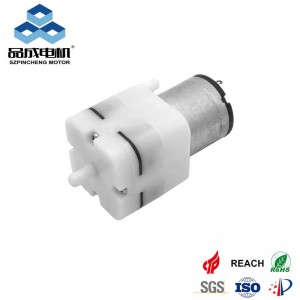
Mini diaphragm vacuum pumps are positive displacement pumps that utilize a reciprocating diaphragm to create vacuum or pressure. The diaphragm, typically made of elastomeric material, moves back and forth within a chamber, alternately expanding and contracting the chamber volume. This action draws in and expels air, creating a vacuum on the inlet side and pressure on the outlet side.
Choosing the Right Diaphragm Material
The diaphragm is the most critical component for chemical compatibility and durability. Here is a quick comparison to help you choose:
-
EPDM (Ethylene Propylene Diene Monomer): The best choice for general-purpose air and water applications. It offers excellent weather resistance but is not suitable for oils.
-
FKM (Viton): Ideal for applications involving corrosive gases or oils. It provides superior chemical resistance and high-temperature stability.
-
PTFE (Teflon): The "Gold Standard" for laboratory and chemical processing. It is nearly inert to all chemicals but offers slightly less flexibility than rubber materials.
-
Silicone: Best for food-grade or medical applications where biocompatibility and high-temperature resistance are required.
2. Technical Specifications: Noise and Durability
At PinMotor, we optimize our pumps for "Silent Power." We focus on two key metrics that define a high-quality pump:
-
Noise Control (Decibels): Our mini pumps operate within the 40dB to 55dB range. To put that in perspective, 40dB is as quiet as a library, making our pumps perfect for bedside medical devices where patient comfort is a priority.
-
MTBF (Mean Time Between Failures): Reliability is our signature. Depending on the motor type (Brushed vs. Brushless DC), our pumps offer an MTBF ranging from 3,000 hours to over 10,000 hours of continuous operation.
-
Standard Brushed Motors: ~3,000 hours.
-
Premium Brushless (BLDC) Motors: 10,000+ hours.
-
| Feature | EPDM Diaphragm | FKM (Viton) | PTFE (Teflon) |
|---|---|---|---|
| Chemical Resistance | Moderate | High | Excellent |
| Operating Temp | -30°C to 120°C | -20°C to 200°C | -50°C to 250°C |
| Best For | Air, Water, Steam | Oils, Acids, Fuels | Harsh Chemicals |
| Typical Noise | 45 dB | 48 dB | 52 dB |
| Max MTBF (BLDC) | 10,000 hrs | 8,000 hrs | 7,000 hrs |
Key Applications
-
Medical Devices: Portable aspirators, blood pressure monitors, and wound therapy (NPWT).
-
Environmental Monitoring: Air sampling and gas detection in industrial zones.
-
Inkjet Printing: Reliable vacuum pressure for ink degassing and meniscus control.
-
Laboratory Automation: Precise liquid handling and vacuum filtration.
5. Frequently Asked Questions (FAQ)
Q: How do I reduce the noise of a mini vacuum pump?
A: Beyond selecting a 40-45dB rated pump, using soft rubber mounts and adding a muffler to the exhaust port can further reduce vibration and sound.
Q: Can these pumps run 24/7?
A: Yes. For continuous 24/7 operation, we recommend our Brushless DC (BLDC) motor models, which are designed for high-duty cycles and 10,000+ hours of MTBF.
High Pressure Performance & Technical Specs
When your application requires more than just a light vacuum, our high pressure miniature vacuum pump series delivers the "punch" needed for heavy-duty suction or compression tasks.
PinMotor Series Performance Specifications
| Model Series | Input Voltage | Max Flow Rate | Max Pressure | Diaphragm Material | MTBF (Lifespan) |
|---|---|---|---|---|---|
| PM-HP High Pressure | 12V / 24V DC | 3.5 L/min | >150 kPa | FKM / EPDM | 10,000+ Hours |
| PM-L Standard | 12V / 24V DC | 2.5 L/min | -55 kPa | EPDM / Silicone | 3,000 Hours |
| PM-Chem Resistant | 12V / 24V DC | 1.8 L/min | -75 kPa | PTFE (Teflon) | 8,000 Hours |
Applications of Mini Diaphragm Vacuum Pumps
The versatility of mini diaphragm vacuum pumps makes them suitable for a wide range of applications, including:
Medical and Laboratory:
* Vacuum aspiration in surgical procedures
* Sample collection and filtration in laboratories
* Operation of medical devices like suction pumps and ventilators
Food and Beverage:
* Vacuum packaging to extend shelf life
* Degassing liquids to remove unwanted air
* Conveying food products
Environmental Monitoring:
* Air sampling for pollution monitoring
* Operation of gas analyzers
Industrial Automation:
* Vacuum gripping and lifting of objects
* Operation of pneumatic systems
* Evacuation and degassing in manufacturing processes
Consumer Electronics:
* Cooling electronic components
* Creating vacuum in miniature devices
Choosing the Right Mini Diaphragm Vacuum Pump
Selecting the appropriate mini diaphragm vacuum pump requires considering several factors:
Flow Rate and Vacuum Level: Determine the required flow rate and vacuum level for your specific application.
Chemical Compatibility: Ensure the pump materials are compatible with the chemicals it will encounter.
Noise Level: Consider the noise constraints of your operating environment.
Portability: If portability is essential, choose a compact and lightweight model.
Budget: Mini diaphragm vacuum pumps vary in price depending on their specifications and features.
Conclusion
When integrating a pump into your system, it is vital to look beyond just the individual component. Our full line of mini diaphragm vacuum pumps is designed to offer a modular approach to fluidics.
Whether you are looking for a high-pressure solution or a chemical-resistant model, exploring our miniature vacuum pump solutions allows you to compare different motor types and flow rates side-by-side. By selecting the right category of pump, such as our DC-powered micro vacuum pumps, you ensure that your device meets both the CE/RoHS compliance standards and the necessary MTBF requirements for industrial longevity.
---Engineering Excellence & Compliance
Technical Insight from Our Lead Engineer: "When selecting a pump, many engineers overlook the chemical compatibility of the diaphragm. Using an EPDM diaphragm for air is standard, but if you are handling ozone or acidic gases, switching to FKM or PTFE is non-negotiable for long-term reliability. We design our pumps to ensure that even under 24/7 high-load cycles, the MTBF exceeds 10,000 hours."
— Marcus Chen, Senior Fluid Systems Engineer
Our Certifications:
CE Marking: Guaranteed compliance with EU safety standards.
RoHS:100% hazardous-substance-free components.
ISO 9001:2015: Consistent manufacturing quality and traceability. ---
you like also all
Post time: Feb-07-2025