

The diaphragm pump, a type of positive displacement pump, is a cornerstone in fluid handling across numerous industries, from recreational vehicles (RVs) and marine applications to highly sensitive medical and laboratory equipment. While various pump technologies exist, the diaphragm pump offers a unique combination of features that make it the preferred choice for specific, demanding applications.
I. Defining the Diaphragm Pump and Its Primary Benefit
A diaphragm pump operates by using a flexible diaphragm that moves back and forth to create a temporary cavity, drawing fluid in and pushing it out. This mechanism fundamentally differs from the kinetic energy transfer used by centrifugal pumps.
1.1 The Core Advantage: Superior Self-Priming and Dry-Run Capability
The single most significant advantage of a diaphragm pump is its inherent ability to self-prime and run dry without damage.
- Self-Priming: Unlike many centrifugal pumps that require the pump casing to be filled with liquid (primed) before starting, a diaphragm pump can create a vacuum strong enough to draw fluid from a level below the pump itself. This simplifies installation and allows for flexible system design, particularly in mobile or remote setups.
- Dry-Run Capability: The design ensures that the driving mechanism is completely isolated from the fluid. If the fluid source runs dry, the pump can continue to run without the catastrophic failure (such as seal burnout) that often plagues other pump types. This feature is crucial for systems with intermittent or unpredictable fluid supply.
1.2 Diaphragm vs. Centrifugal Pumps: A Functional Comparison
Understanding the core advantage is best achieved by comparing it to the widely used centrifugal pump:
| Feature | Diaphragm Pump | Centrifugal Pump |
| Self-Priming | Excellent (Creates strong vacuum) | Poor (Requires priming/foot valve) |
| Dry-Run Safety | Safe (Diaphragm isolates motor) | Unsafe (Can lead to seal/motor failure) |
| Pressure Output | High and stable (Positive displacement) | Variable (Depends heavily on flow rate) |
| Fluid Isolation | Excellent (Only diaphragm/valves contact fluid | Poor (Impeller and seals contact fluid) |
| Flow Type | Pulsating (Requires dampener for smooth flow) | Smooth and continuous |
II. Four Key Technical Advantages of Diaphragm Pumps
Beyond the primary benefit of self-priming and dry-run safety, the unique design of the diaphragm pump yields several other technical advantages that make it indispensable in micro-fluidic and high-reliability systems.
2.1 Excellent Media Isolation and Sealing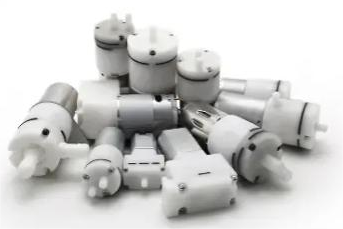
The diaphragm acts as a complete seal, separating the pump's mechanical components (motor, gears) from the fluid being pumped.
- Zero Leakage: This hermetic seal eliminates the need for dynamic seals or packing, which are common points of failure and leakage in other pump types.
- Contamination Prevention: It ensures that the fluid remains uncontaminated by lubricants or motor debris, making it ideal for clean applications like food processing, medical diagnostics, and laboratory work.
2.2 Consistent High-Pressure Output
As a positive displacement pump, the diaphragm pump delivers a fixed volume of fluid with each stroke, regardless of the discharge pressure (up to its maximum rating).
- Stable Performance: This results in a highly consistent and stable pressure output, which is essential for applications requiring precise spraying, dosing, or overcoming significant system resistance (high head).
- Pressure Sensing: Many diaphragm pumps incorporate a pressure switch that automatically shuts off the pump when the discharge line is closed, maintaining system pressure and conserving energy.
2.3 Versatility in Handling Corrosive and Viscous Fluids
The simple design means that only the diaphragm and the check valves come into contact with the fluid.
- Material Compatibility: By selecting chemically resistant materials for these components (such as PTFE, EPDM, or Viton), the pump can safely and reliably handle a wide range of aggressive chemicals, solvents, and slightly viscous liquids that would quickly degrade the seals and impellers of standard pumps.
III. Practical Applications Driven by Diaphragm Pump Advantages
The combination of these advantages makes the diaphragm pump the go-to choice in several high-stakes and mobile environments:
3.1 Mobile Water Systems (RV and Marine)
The self-priming and dry-run capabilities are perfectly suited for RV and boat fresh water systems. The pump can be mounted above the water tank, and it will not be damaged if the tank runs empty, providing peace of mind to the user.
3.2 Precision Dosing and Medical Equipment
In medical devices and laboratory instruments, the need for precise, non-contaminating fluid transfer is paramount. The sealed path and consistent volume delivery of micro-diaphragm pumps ensure accurate dosing and sample handling.
3.3 PinMotor: Expertise in Micro-Diaphragm Solutions
For manufacturers and engineers seeking reliable micro-pump solutions, PinMotor leverages its 13 years of experience in micro-fluidic and gear motor solutions. Our diaphragm pumps are engineered to maximize these core advantages:
- Precision and Reliability: PinMotor’s focus on high-precision manufacturing ensures that the self-priming and pressure stability features are optimized for long-term, reliable performance in demanding applications.
- Quality Assurance: Adherence to the ISO 9001 quality management system guarantees that every pump meets stringent specifications for media isolation and dry-run safety.
IV. Conclusion: Reliability is the Main Advantage
In summary, while a diaphragm pump may not offer the highest flow rate of all pump types, its main advantage lies in its unparalleled reliability and functional versatility—specifically its ability to self-prime and run dry safely. This makes it the most dependable choice for systems where fluid supply is intermittent, installation is challenging, or fluid isolation is critical.
Post time: Dec-26-2025