

Manual foam soap pumps are a common household item, yet they are notoriously prone to failure: the pump head sticks, the spring fails to rebound, or the foam quality degrades rapidly. These issues are rooted in the fundamental mechanical design of the manual pump. Automated foam dispensers, however, offer a structural solution that moves beyond simple repair, fundamentally eliminating the root causes of these mechanical failures.
I. The Root Causes of Manual Foam Pump Failure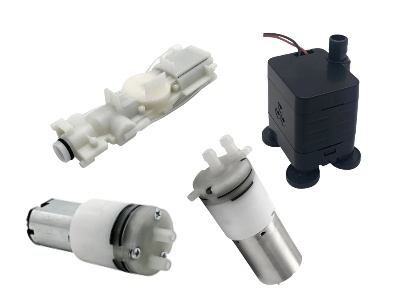
Manual foam pumps rely on a simple, low-cost mechanical assembly to draw in liquid and air. This design, while inexpensive, introduces several points of high friction and wear that lead to inevitable failure.
1.1 Key Failure Points in Manual Pumps
- Piston-Cylinder Friction: The core mechanism involves a piston moving back and forth inside a cylinder. This relative motion creates high friction, which wears down the sealing O-rings and causes the piston to stick or seize, especially when soap residue dries out.
- Spring Fatigue: A metal spring is responsible for pushing the pump head back up after dispensing. Over time and repeated use, this spring loses its elasticity, leading to the common "stuck pump head" problem.
- Check Valve Clogging: Small, delicate check valves (one-way valves) control the flow of liquid. These are highly susceptible to clogging or sticking due to soap crystallization or impurities, preventing the pump from drawing liquid.
1.2 The Fundamental Flaw
The core issue is that the manual pump relies on direct, high-friction mechanical movement and user-applied force to drive the entire process. Inconsistent user force and the constant friction between moving parts guarantee wear and eventual failure.
II. The Structural Advantage of Automated Dispensers
Automated foam dispensers achieve a fundamental shift by replacing the manual, high-friction piston assembly with a system driven by precision electronic components.
2.1 The Shift from Piston to Micro-Pump Drive
The foam generation process in an automated dispenser is driven by two independent, high-precision micro-pumps, often supplied by specialists like PinMotor:
- Micro Water Pump (PinMotor): Precisely meters and delivers the liquid soap.
- Micro Air Pump (PinMotor): Precisely meters and delivers the air required for foaming.
This structural change is the key to eliminating mechanical failure.
| Feature | Manual Foam Pump | Automated Foam Dispenser (PinMotor Components) |
| Driving Force | User-applied mechanical force | Electric motor (BLDC) |
| Liquid Pumping | High-friction Piston/Cylinder | Low-friction Micro Gear/Diaphragm Pump |
| Rebound Mechanism | Fatigue-prone Metal Spring | Electronic Motor Control |
| Failure Mode | Sticking, Spring Fatigue, Clogging | Component Wear (Long-term), Electronic Failure (Rare) |
2.2 Eliminating Friction and Fatigue
The micro-pumps used in automated systems, such as PinMotor’s diaphragm or gear pumps, operate with minimal to zero sliding friction between the pumping element and the chamber wall. This fundamentally eliminates the primary cause of wear and sticking found in the manual piston-cylinder design. Furthermore, the reliance on an electric motor replaces the mechanical spring, eliminating the issue of spring fatigue and inconsistent rebound.
III. PinMotor's Role in Ensuring High Reliability
The reliability of the automated dispenser is directly tied to the quality of its core components—the micro-pumps and valves. PinMotor specializes in providing these high-reliability solutions.
3.1 Eliminating the Root Causes of Failure
- No Piston Sticking: By using non-contact pumping principles (e.g., diaphragm technology), the risk of soap residue causing the piston to stick is eliminated.
- No Spring Fatigue: The motor-driven mechanism ensures consistent, reliable operation over tens of thousands of cycles, far exceeding the lifespan of a manual spring.
- Enhanced Air Tightness: PinMotor’s micro-pumps are manufactured with high-precision tooling and assembly, ensuring superior and consistent air tightness. This prevents the internal air leaks that cause poor foam quality in manual pumps.
3.2 The Upgrade to Electronic Control
The shift from mechanical force to electronic control allows for the use of Brushless DC (BLDC) motors in the drive system. BLDC motors offer a significantly longer operational lifespan (often thousands of hours) compared to the mechanical life of a manual pump, providing a true long-term solution to the problem of premature failure.
IV. Conclusion: A Structural Upgrade for Longevity
Automated foam dispensers do not merely fix manual pump problems; they structurally upgrade the dispensing mechanism. By replacing high-friction, fatigue-prone mechanical parts (piston, spring) with low-friction, high-precision electronic components (PinMotor micro-pumps and BLDC motors), the system achieves a level of reliability and longevity that manual pumps cannot match.
For manufacturers seeking to deliver a consistently flawless user experience, choosing high-quality, precision fluid control components from specialists like PinMotor is the essential step in moving from a disposable product to a durable, reliable appliance.
Post time: Dec-29-2025